
Hair
Caring for an afro: moisture, detangling and shrinkage
A calm, simple routine for an afro or any coily natural hair: how to wash, condition, moisturise, detangle and protect it so it grows without breaking.

At a glance
- What it isAn afro is natural hair worn in its full, rounded shape
- CausesHealthy hair depends on moisture (water) held in by something that slows its loss (conditioner
- What helpsWash every one to two weeks with a gentle, sulfate-free shampoo
- AvoidAvoid daily washing and harsh sulfate shampoos, combing or brushing dry hair, tugging at knots
- See a doctor ifSee a doctor if you notice patches of hair loss, thinning at the crown or along the hairline
Key points
- Coily hair breaks easily, so gentle handling matters as much as products.
- Condition every wash, detangle in sections from the ends up, and seal in moisture.
- Shrinkage is normal: your hair is longer than it looks.
Do
- Condition every time you wash, concentrating on the ends
- Detangle only when hair is wet and slippery with conditioner
Don’t
- Avoid products with water-insoluble silicones if your hair feels…
- Avoid relaxers and texturisers on hair you want to keep natural
What it is
An afro is natural hair worn in its full, rounded shape. Afro-textured (coily or kinky) hair grows in tight spirals and zig-zags. It is beautiful and versatile, but each bend in the strand is a weak point, and the scalp's natural oils travel down it slowly, so it dries out and breaks more easily than straight hair.
How it works
Healthy hair depends on moisture (water) held in by something that slows its loss (conditioner, cream, butter or oil), and on avoiding mechanical damage from combing, pulling and friction. Shrinkage happens because coils spring up as they dry: hair can look half or less of its real length. That is natural for coily hair, not damage.
Why it matters for afro-textured hair
Most hair-care advice is written for straight or wavy hair. Washing coily hair every day, brushing it dry or using strong sulfate shampoos often leaves it dry and brittle. Breakage from rough handling, tight styles and heat is a common reason people think their hair "does not grow", when in fact it is snapping off as fast as it grows.
Causes and triggers
Dryness from harsh shampoos and harmattan air, combing dry hair, detangling from the roots down, tight styles, frequent high heat, rough cotton pillowcases and towels, and product build-up that blocks moisture.
What helps — and why it works
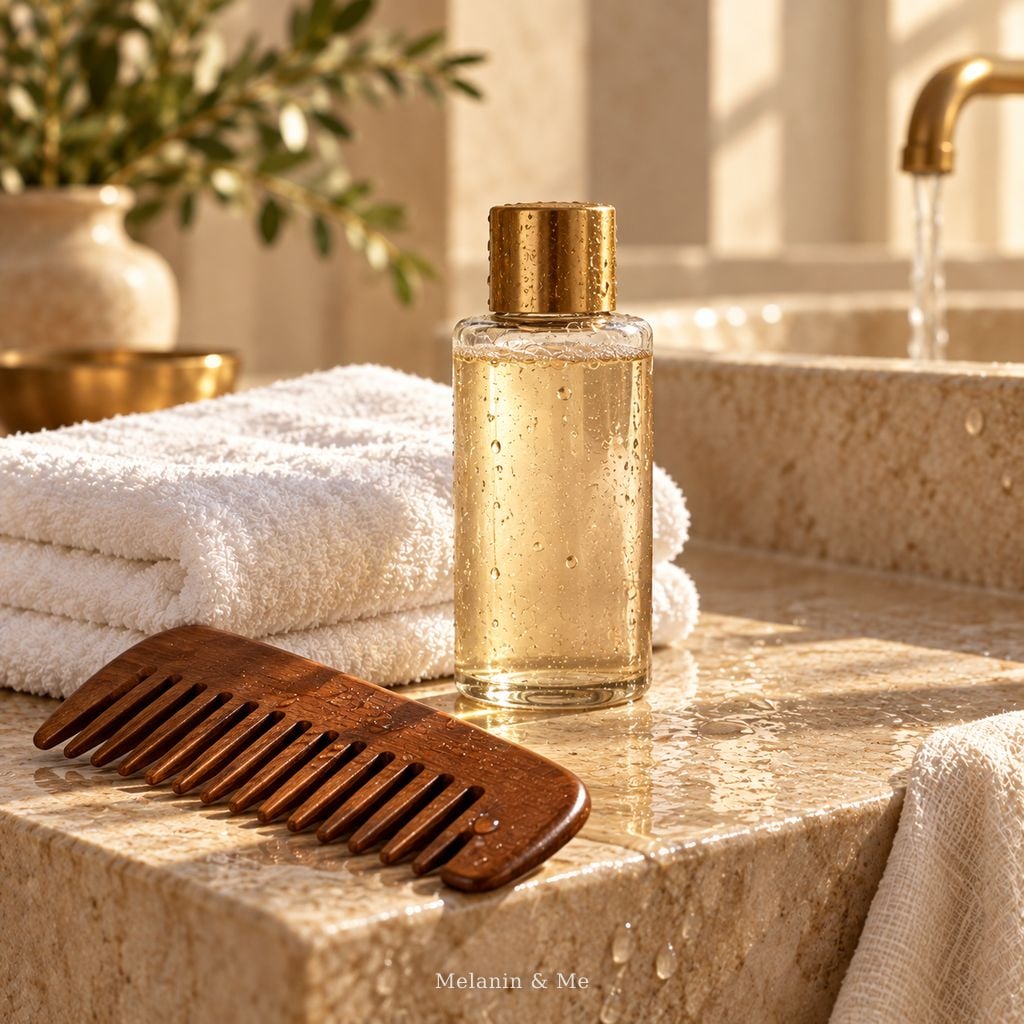
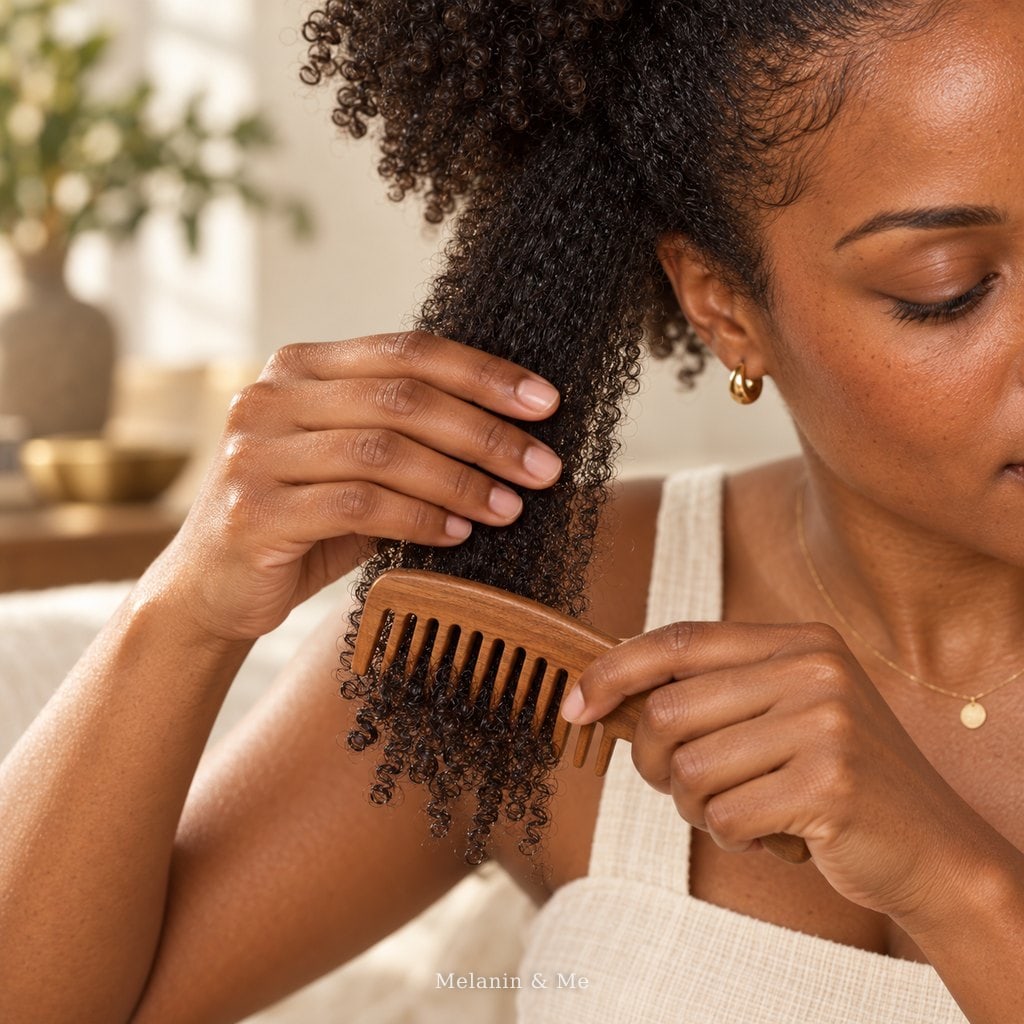
Wash every one to two weeks with a gentle, sulfate-free shampoo, or "co-wash" with a cleansing conditioner between washes. Condition every time you wash, concentrating on the ends; a deep conditioner or a warm oil treatment every couple of weeks adds softness and stretch (test the temperature first: it should feel warm, not hot). Detangle only when hair is wet and slippery with conditioner: divide it into four or more sections, use your fingers first, then a wide-tooth comb, starting at the ends and working up to the roots. Then moisturise: a water-based leave-in, then a little oil, then a cream or butter (the LOC method: liquid, oil, cream); some people prefer cream before oil (LCO). Protect your hair at night with a satin or silk bonnet, scarf or pillowcase, or gather it loosely on top of your head ("pineapple"). Trim split ends every few months, more often if they are breaking.
What to avoid and why
Avoid daily washing and harsh sulfate shampoos, combing or brushing dry hair, tugging at knots, high heat several times a week, and heavy products that build up. Avoid products with water-insoluble silicones if your hair feels coated: they can stop moisture getting in. Avoid relaxers and texturisers on hair you want to keep natural.
Common mistakes
- Detangling from the roots down.
- Skipping conditioner because the hair "feels clean".
- Piling on oil without water first, so the hair stays dry underneath.
- Judging growth by shrunken length.
Handling textured hair gently
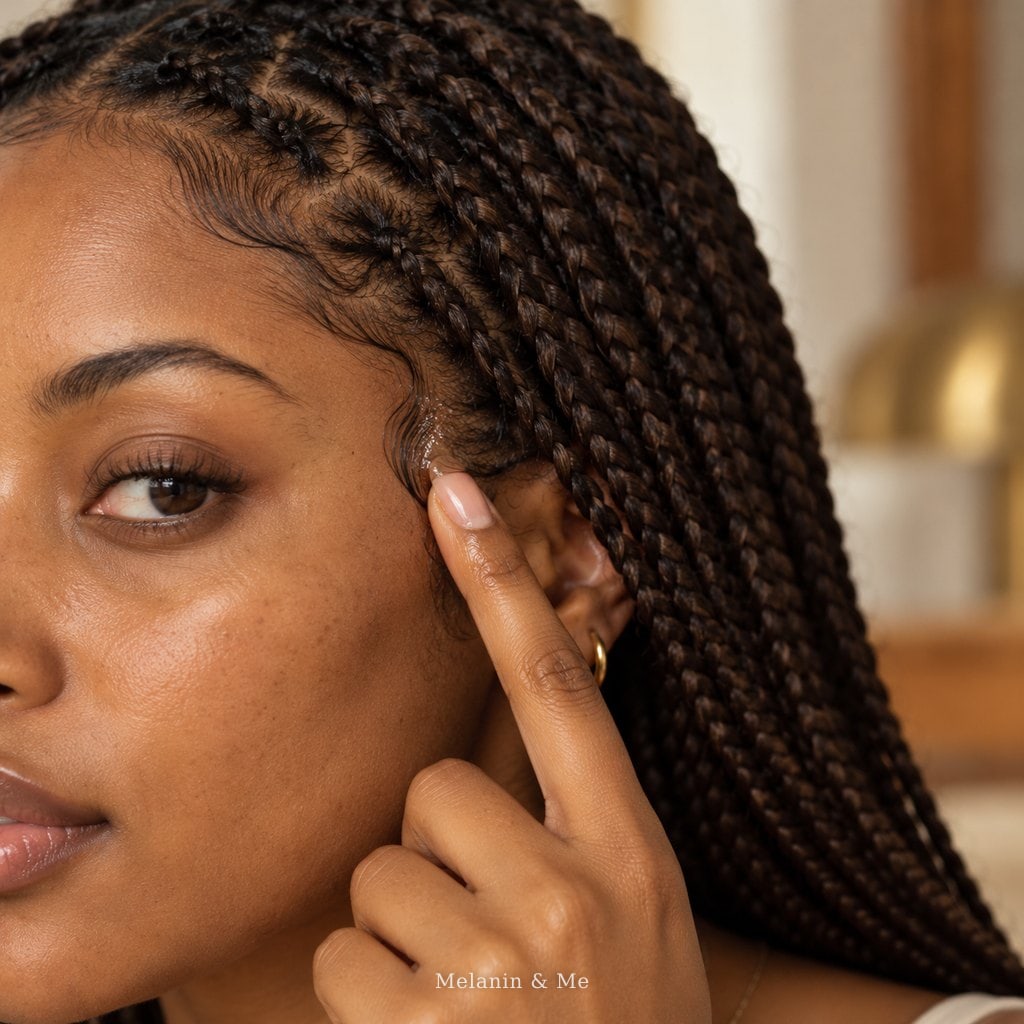
Coily and curly hair is naturally the most fragile hair type because each bend in the strand is a weak point and natural oils travel down it slowly. That makes handling — how often and how firmly hair is combed, styled and pulled — as important as which products you buy. Detangle only when hair is wet and coated in conditioner, working in sections from the ends towards the roots with fingers or a wide-tooth comb. Keep heat to the lowest effective setting and always use a heat protectant. Sleep on satin or silk, or wear a satin bonnet, to reduce friction. Between wash days, a water-based leave-in followed by a light oil or cream helps hold moisture. Give the scalp attention too: it is skin, and needs regular cleansing, especially under wigs, weaves and braids, to prevent build-up, itch and infection. Any style that hurts, causes bumps or leaves the scalp tender is too tight and should be loosened. Hair grows about one centimetre a month, so changes in care take two to three months to show in length and thickness.
Scalp health and product choice
Choose a shampoo that suits the scalp and a conditioner that suits the lengths: the scalp may need cleansing or a medicated shampoo while the ends need moisture. Fragrance, essential oils and heavy waxes can irritate a sensitive scalp or cause build-up, and heavy oils on the scalp may worsen dandruff. Look for a clear ingredient list and a NAFDAC number, and patch-test new dyes and relaxers 48 hours before every use. Products that promise dramatic growth are usually untested; the treatments with the best evidence for pattern hair loss are medicines such as minoxidil, which should be started only after speaking to a pharmacist or doctor. Signs that you need medical advice rather than a new product include patches of hair loss, scarring or shiny skin, pain, pus, or shedding that continues for more than six months.
Important
When to see a doctor
See a doctor if you notice patches of hair loss, thinning at the crown or along the hairline, a scalp that is sore, scaly, bumpy or shiny, hair breaking off at the same short length everywhere, or shedding that continues for more than three months.
Visit a hospital or clinic near you and ask to see a dermatologist (skin specialist), or ask your general doctor for a referral. Take this page and the products you use with you. Emergency: call 112112999911911.
Questions to ask your doctor or pharmacist
Useful questions include: What do you think is causing this? Is it likely to come back, and how can I prevent it? Which products should I stop? How long before I should expect improvement, and when should I come back if it isn't better? Are there side effects to watch for? Is this treatment safe if I am pregnant, breastfeeding or for my child? Writing your questions down, bringing your products (or photos of their labels) and taking dated photos of the problem make an appointment much more useful.
Next steps





Sources
- American Academy of Dermatology: Hair care tips for Black hair
- Bosley RE, Daveluy S. A primer to natural hair care practices in Black patients. Cutis. 2015;95(2):78-80
- StatPearls: Traction alopecia
Evidence basis: Official guidance. Rests on guidance from national health services, regulators or specialist medical societies. How we judge evidence
What changed
- October 2026. New article, fact-checked against its sources.
How to read this article. This article explains general principles, based on guidance from organisations such as the NHS, NICE, the American Academy of Dermatology, DermNet and the WHO. It cannot account for your own medical history, medicines or pregnancy, and it is not a diagnosis. Where we mention treatments we do not give doses: a doctor or pharmacist will advise on what suits you. Timelines are typical, not guaranteed — everyone's skin, hair and nails respond at their own pace.
Source links checked 2026-10-21. Doctor review pending. Education only, not a diagnosis. Ask a doctor or pharmacist before starting treatment.