
Hair · Men
Safe trips to the barber
How to protect your scalp, neck and beard at the barber: clean tools, gentler line-ups, and the infections and bumps that close cuts can bring.

At a glance
- What it isA haircut should never leave you with an infection or a rash
- CausesVery short cuts and razor edges leave tiny scratches in the skin
- What helpsChoose a barber who cleans and disinfects clippers, combs and guards between every client (look…
- AvoidAvoid barbers who do not clean tools between clients, sharing combs and brushes at home
- On darker skinBumps, ingrown hairs and keloid-type scars on the neck and beard line are much more common in…
- See a doctor ifSee a doctor if you develop scaly, itchy or bald patches, black dots or swollen
Key points
- Clean, disinfected clippers and fresh blades lower your risk of scalp ringworm and skin infections.
- Skin-close fades and razor line-ups can trigger bumps on the neck and beard line.
- Itchy, scaly or bald patches after a haircut need a doctor, not a cream from the market.
What it is
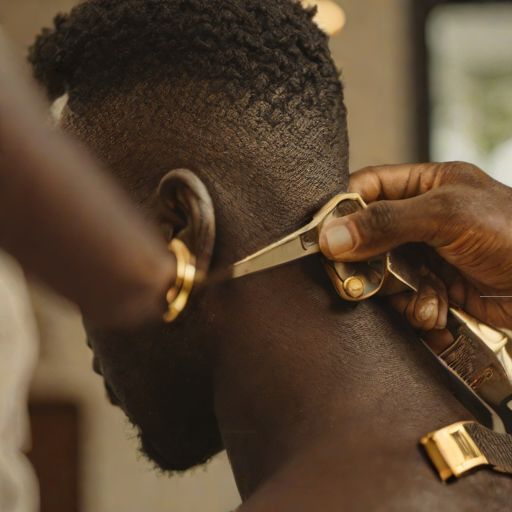
A haircut should never leave you with an infection or a rash. Shared clippers, combs, brushes, towels and capes can carry fungi and bacteria from one client to the next. Doctors have reported a rise in scalp ringworm (tinea capitis) in children after skin-close "skin fade" haircuts, and suspect that tools not disinfected between clients may spread it. Shared or reused razor blades can also spread hepatitis B, hepatitis C and HIV. Close cuts at the back of the neck can also trigger or worsen acne keloidalis nuchae, the firm bumps and scars along the hairline that are common in Black men.
How it works
Very short cuts and razor edges leave tiny scratches in the skin, which let fungi and bacteria in. Clippers and combs that are wiped but not disinfected between clients can carry them. Scalp ringworm is spread through shared objects such as combs, towels and bedding as well as close contact, and it usually does not clear with creams alone: it needs prescription antifungal tablets, often with an antifungal shampoo.
Why it matters on darker skin
Bumps, ingrown hairs and keloid-type scars on the neck and beard line are much more common in Black men with coarse, curly hair, and each round of irritation can leave dark marks or raised scars. Scalp ringworm on dark skin often shows as scaly, greyish patches, black dots where hairs have broken, or swollen, pus-filled lumps, and is easily mistaken for dandruff or a bacterial infection.
Causes and triggers
Unclean or shared tools, razor line-ups and skin-close fades, pushing the hairline back, dull blades, shaving against the grain at the neck, tight collars and helmets afterwards, and applying heavy pomades or greases straight after a cut.
What helps — and why it works
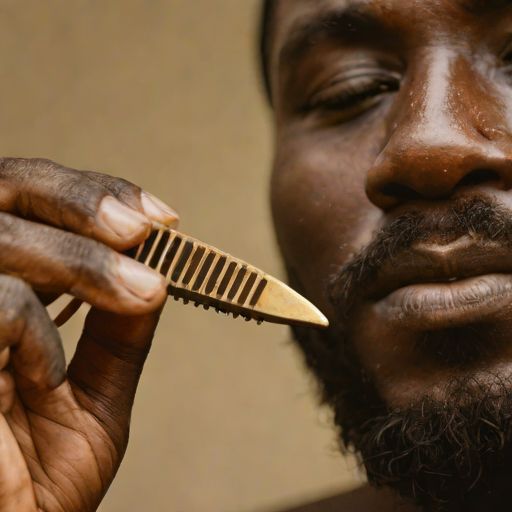
Choose a barber who cleans and disinfects clippers, combs and guards between every client (look for a disinfectant jar or spray, not just a brush-off), uses a new blade for every razor line-up, and gives each client a clean towel and neck strip. You can bring your own clippers or comb. If you get bumps, ask for a slightly longer cut at the back of the neck and on the beard line, a guard rather than a bare blade, and no razor line-up; follow the natural hairline rather than pushing it back. Afterwards, keep the area clean and dry and avoid tight collars and chains rubbing on it; choose a helmet or cap that sits above the bumps or has a soft liner, and never ride without a helmet. Dermatologists also advise stopping pomades and hair grease if you have neck bumps.
What to avoid and why
Avoid barbers who do not clean tools between clients, sharing combs and brushes at home, picking at bumps, and putting steroid or "mixed" creams on an itchy scalp after a haircut: steroids can make ringworm spread and harder to diagnose.
Common mistakes
- Treating scalp flakes and bald patches after a fade as dandruff.
- Asking for a sharper line-up every week.
- Using the same unwashed brush and durag on irritated skin.
- Not telling the barber about bumps.
Important
When to see a doctor
See a doctor if you develop scaly, itchy or bald patches, black dots or swollen, pus-filled lumps on the scalp after a haircut, swollen glands in the neck, firm bumps or scars at the back of the neck, or bumps in the beard that are spreading. Do not let anyone cut open or drain a swollen scalp lump: it may be a fungal infection that needs tablets. Children with these signs should be seen promptly, and other people in the home may need checking.
Visit a hospital or clinic near you and ask to see a dermatologist (skin specialist), or ask your general doctor for a referral. Take this page and the products you use with you. Emergency: call 112112999911911.
Questions to ask your doctor or pharmacist
Useful questions include: What do you think is causing this? Is it likely to come back, and how can I prevent it? Which products should I stop? How long before I should expect improvement, and when should I come back if it isn't better? Are there side effects to watch for? Is this treatment safe if I am pregnant, breastfeeding or for my child? Writing your questions down, bringing your products (or photos of their labels) and taking dated photos of the problem make an appointment much more useful.
Next steps






Sources
- British Journal of Dermatology (2023), abstract P32: Skin fade haircut, an independent risk factor for tinea capitis
- British Journal of Dermatology (2026), abstract P170: Skin fade haircuts and paediatric tinea capitis
- NHS 111 Wales: Ringworm
- American Academy of Dermatology: Acne keloidalis nuchae self-care
- DermNet: Folliculitis barbae
How to read this article. This article explains general principles, based on guidance from organisations such as the NHS, NICE, the American Academy of Dermatology, DermNet and the WHO. It cannot account for your own medical history, medicines or pregnancy, and it is not a diagnosis. Where we mention treatments we do not give doses: a doctor or pharmacist will advise on what suits you. Timelines are typical, not guaranteed — everyone's skin, hair and nails respond at their own pace.
Source links checked 2026-10-21. Doctor review pending. Education only, not a diagnosis. Ask a doctor or pharmacist before starting treatment.