
Hair
Shaping and styling an afro without breakage
How to pick, stretch, shape and style an afro, from a rounded fro to puffs and twist-outs, while keeping the edges and ends intact.

At a glance
- What it isStyling an afro means shaping it: picking it out for volume, stretching it to show length
- CausesAn afro pick lifts hair from the roots to add volume, which is gentle when the hair is already…
- What helpsStart with clean, detangled, moisturised hair
- AvoidAvoid rubber bands and thin elastics, which snap hair
- See a doctor ifSee a doctor if your hairline is receding or thinning, if you have small bumps
Key points
- Pick and shape hair that is already detangled and moisturised, from the ends.
- Stretch with braids, twists or bands before reaching for heat.
- Any style that pulls, hurts or leaves bumps is too tight.
What it is
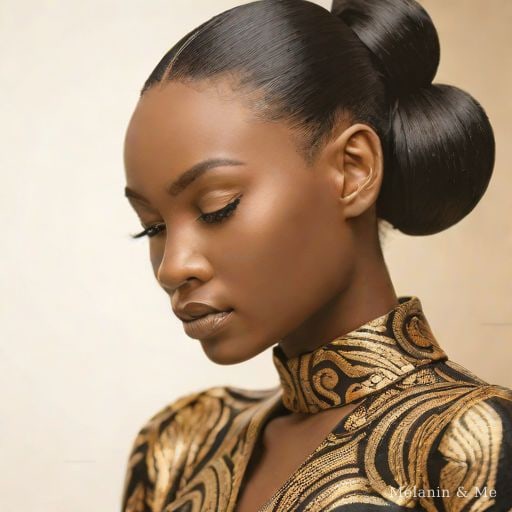
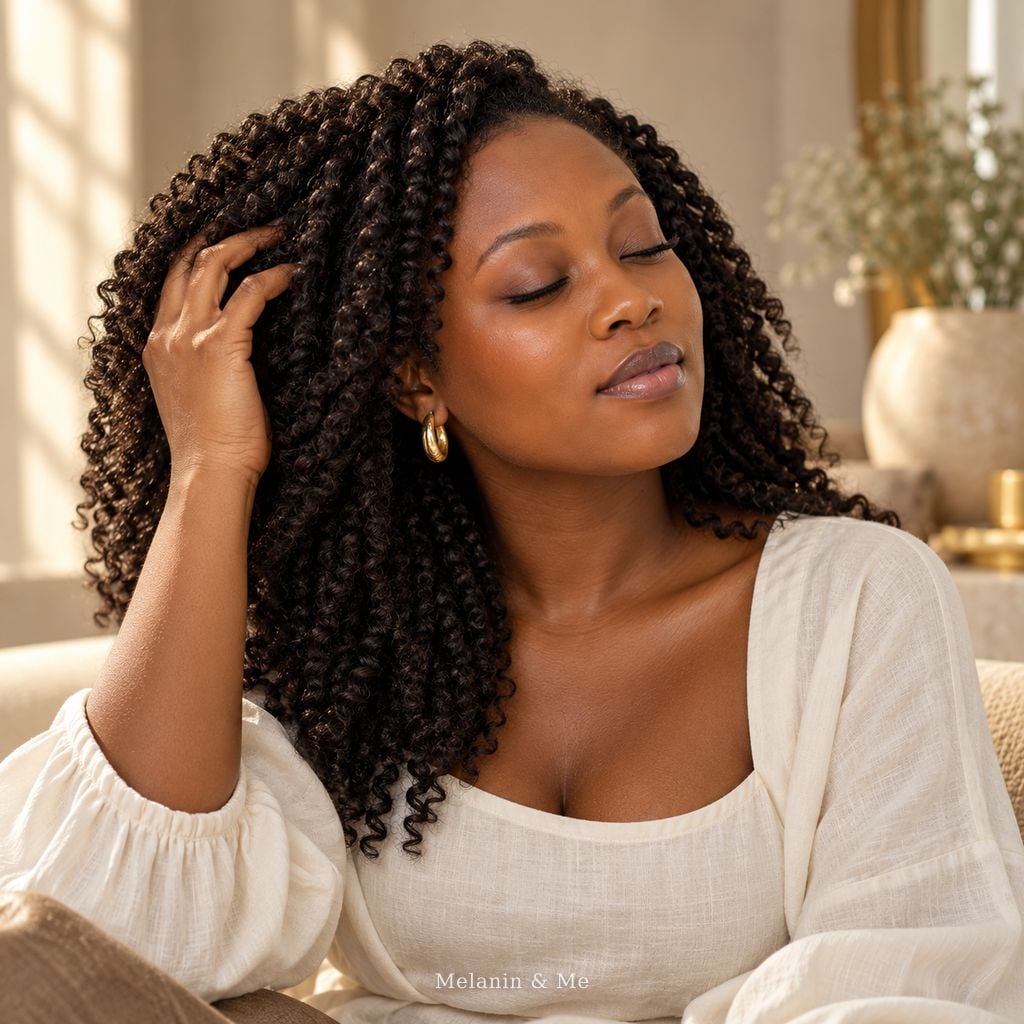
Styling an afro means shaping it: picking it out for volume, stretching it to show length, or setting it in twists or braids for definition. Popular styles include a rounded afro, a high puff, twist-outs and braid-outs, and tapered cuts. Styled well, an afro can last several days between washes.
How it works
An afro pick lifts hair from the roots to add volume, which is gentle when the hair is already detangled. Stretching works because coils relax when hair is braided, twisted or banded while damp and allowed to dry. Heat straightens by temporarily breaking the bonds that hold the coil, which is why too much heat, too often, weakens the hair, and repeated high heat can permanently damage the curl pattern.
Why it matters for afro-textured hair
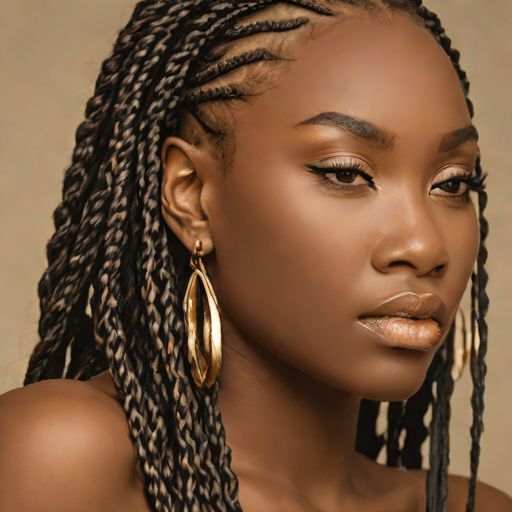
The hairline and edges are the most fragile part of afro-textured hair. Tight styles, including braids, weaves, cornrows, puffs and ponytails, are the main cause of traction alopecia, hair loss from tension that can become permanent if it continues. Early warnings are soreness, headaches, or small bumps or pus spots along the hairline after styling. A thin line of short, fine hairs left at the very edge with thinning behind it (the "fringe sign") means traction hair loss has already begun.
Causes and triggers
Tight elastic bands and puffs in the same position every day, picking or combing dry, tangled hair, frequent high heat, styling gels with alcohol that dry the hair, and sleeping without protection, which roughens and flattens the style.
What helps — and why it works
Start with clean, detangled, moisturised hair. To shape, lift the hair with an afro pick from just above the scalp, working outwards; do not drag it through knots. For definition, make two-strand twists or braids on damp hair with a little leave-in and cream, let them dry fully, then unravel gently with oiled fingers and fluff the roots. To stretch without heat, use large braids, twists or banding overnight. If you use a blow-dryer, use a heat protectant, a low or medium setting and a nozzle or comb attachment, and keep it to occasional use. For puffs, use a soft scrunchie or a satin band, keep it loose, and change the position often. Refresh between washes with a little water or leave-in spray and cream rather than more gel.
What to avoid and why
Avoid rubber bands and thin elastics, which snap hair; puffs or buns tight enough to feel the pull; hot combs and flat irons more than occasionally; and edge gels and brushing the hairline every day, which can slowly thin the edges.
Common mistakes
- Picking dry, tangled hair.
- Wearing the same tight puff every day.
- Using high heat to "stretch" hair weekly.
- Ignoring tenderness or small bumps after styling.
Handling textured hair gently
Coily and curly hair is naturally the most fragile hair type because each bend in the strand is a weak point and natural oils travel down it slowly. That makes handling — how often and how firmly hair is combed, styled and pulled — as important as which products you buy. Detangle only when hair is wet and coated in conditioner, working in sections from the ends towards the roots with fingers or a wide-tooth comb. Keep heat to the lowest effective setting and always use a heat protectant. Sleep on satin or silk, or wear a satin bonnet, to reduce friction. Between wash days, a water-based leave-in followed by a light oil or cream helps hold moisture. Give the scalp attention too: it is skin, and needs regular cleansing, especially under wigs, weaves and braids, to prevent build-up, itch and infection. Any style that hurts, causes bumps or leaves the scalp tender is too tight and should be loosened. Hair grows about one centimetre a month, so changes in care take two to three months to show in length and thickness.
Scalp health and product choice
Choose a shampoo that suits the scalp and a conditioner that suits the lengths: the scalp may need cleansing or a medicated shampoo while the ends need moisture. Fragrance, essential oils and heavy waxes can irritate a sensitive scalp or cause build-up, and heavy oils on the scalp may worsen dandruff. Look for a clear ingredient list and a NAFDAC number, and patch-test new dyes and relaxers 48 hours before every use. Products that promise dramatic growth are usually untested; the treatments with the best evidence for pattern hair loss are medicines such as minoxidil, which should be started only after speaking to a pharmacist or doctor. Signs that you need medical advice rather than a new product include patches of hair loss, scarring or shiny skin, pain, pus, or shedding that continues for more than six months.
Important
When to see a doctor
See a doctor if your hairline is receding or thinning, if you have small bumps, pus or soreness along the edges or where styles pull, if bald patches appear, or if your scalp stays sore after you have loosened your style. Early traction alopecia can recover when the tension stops; long-standing hair loss may not.
Visit a hospital or clinic near you and ask to see a dermatologist (skin specialist), or ask your general doctor for a referral. Take this page and the products you use with you. Emergency: call 112112999911911.
Questions to ask your doctor or pharmacist
Useful questions include: What do you think is causing this? Is it likely to come back, and how can I prevent it? Which products should I stop? How long before I should expect improvement, and when should I come back if it isn't better? Are there side effects to watch for? Is this treatment safe if I am pregnant, breastfeeding or for my child? Writing your questions down, bringing your products (or photos of their labels) and taking dated photos of the problem make an appointment much more useful.
Next steps


Sources
How to read this article. This article explains general principles, based on guidance from organisations such as the NHS, NICE, the American Academy of Dermatology, DermNet and the WHO. It cannot account for your own medical history, medicines or pregnancy, and it is not a diagnosis. Where we mention treatments we do not give doses: a doctor or pharmacist will advise on what suits you. Timelines are typical, not guaranteed — everyone's skin, hair and nails respond at their own pace.
Source links checked 2026-10-21. Doctor review pending. Education only, not a diagnosis. Ask a doctor or pharmacist before starting treatment.