Pregnancy & children · 8 weeks
Teen Skin: Spots, Marks & Confidence
For teenagers aged 13 to 17: a simple, kind routine for spots and dark marks, what to stop, and when to get proper acne treatment from a doctor or pharmacist. No bleaching, no harsh scrubs.

- Length
- 8 weeks
- For
- Children (with a parent)
- Evidence A
- Strong evidence: guidelines or reviews of trials
- What to expect
- A good routine helps within weeks. Acne treatments from a doctor or pharmacist usually take 8–12 weeks to show their full effect. Dark marks fade over months once new spots stop.
The goal: A routine that takes 2 minutes, fewer new marks, and a plan with a professional if spots continue.
NICE NG198 (Grade A) recommends a simple skin routine and seeing a doctor or pharmacist for acne treatment; the routine steps are Grade C.
Start this program
Loading…
The plan
Weeks 1–2
Simple routine
Wash twice, moisturise, sunscreen. Hands off.
Harsh scrubs and picking cause more inflammation and dark marks on darker skin; a gentle routine is the base for any treatment.
Morning
Gentle wash
Lukewarm water and a mild, fragrance-free face wash; 30 seconds with fingertips; pat dry.
Why: Removes oil and sweat without irritating the skin.
Light moisturiser
A light, oil-free moisturiser labelled "non-comedogenic".
Why: Keeps the skin comfortable, so it is less tempting to over-wash.
Sunscreen
SPF 30 or more, every morning, even on dark skin and cloudy days. A light, non-greasy one.
Why: Sun makes dark marks darker and slower to fade.
Evening
Evening wash
Same gentle wash, especially after sport or sweating. Then moisturiser.
Why: Clears sweat and sunscreen so pores stay clear.
Habits
Hands off
Do not squeeze, pick or pop spots. Keep phones and hands away from the face.
Why: Picking pushes inflammation deeper and leaves dark marks and scars.
Stop scrubs and "toning" creams
No scrubs, lemon, toothpaste, bleaching or "toning" creams on spots.
Why: They irritate the skin, worsen dark marks, and some contain mercury or steroids.
Food
Water and regular meals
Water instead of sugary drinks most of the time.
Why: Supports general health; very sugary diets may worsen acne for some people.
Weeks 3–8
Get the right treatment
Keep the routine; see a doctor or pharmacist if spots continue.
Acne is a medical condition with effective treatments; starting early prevents scars and dark marks.
Morning
Gentle wash, moisturiser, sunscreen
Evening
Evening wash and moisturiser
As before, plus any treatment the doctor or pharmacist gave, used exactly as they said.
Why: Treatments work best on a calm, simple routine.
Habits
See a doctor or pharmacist about acne treatmentDoctor or pharmacist
If spots are still there after 2 weeks of the routine, or there are painful lumps, marks or scars, go with a parent to a pharmacist or doctor. They will recommend a treatment suitable for a teenager and explain how to use it. Bring a list of everything you use on your skin.
Why: NICE recommends treatment for persistent acne; the right choice depends on the type and severity, and on any other medicines.
Hair and sports gear
Keep oily hair products off the forehead; wash caps, headbands and pillowcases weekly; shower after sport.
Why: Oils and sweat trapped against the skin can block pores.
Weekly photo
Same light, same place, once a week.
Why: Change is slow; photos show progress that a mirror hides.
Food
Water and regular meals
Milestones
Your weekly check-in
Ask yourself these once a week. If an answer worries you, stop and see a doctor or pharmacist.
Stop and see a doctor if
- Painful deep lumps or scarring: see a doctor
- Acne making you feel very low or not want to go out: talk to a parent and a doctor
- Swelling, blisters or a spreading rash from a product: stop it and see a doctor
- Any lightening or "toning" cream used for weeks: stop and see a doctor
In an emergency, call 112112999911911.
Sources
Education, not diagnosis. This plan cannot examine you; pending physician review where marked.
Related programs

Pregnancy-Safe Skin
Trimester-by-trimester skin care with pregnancy-appropriate ingredients.
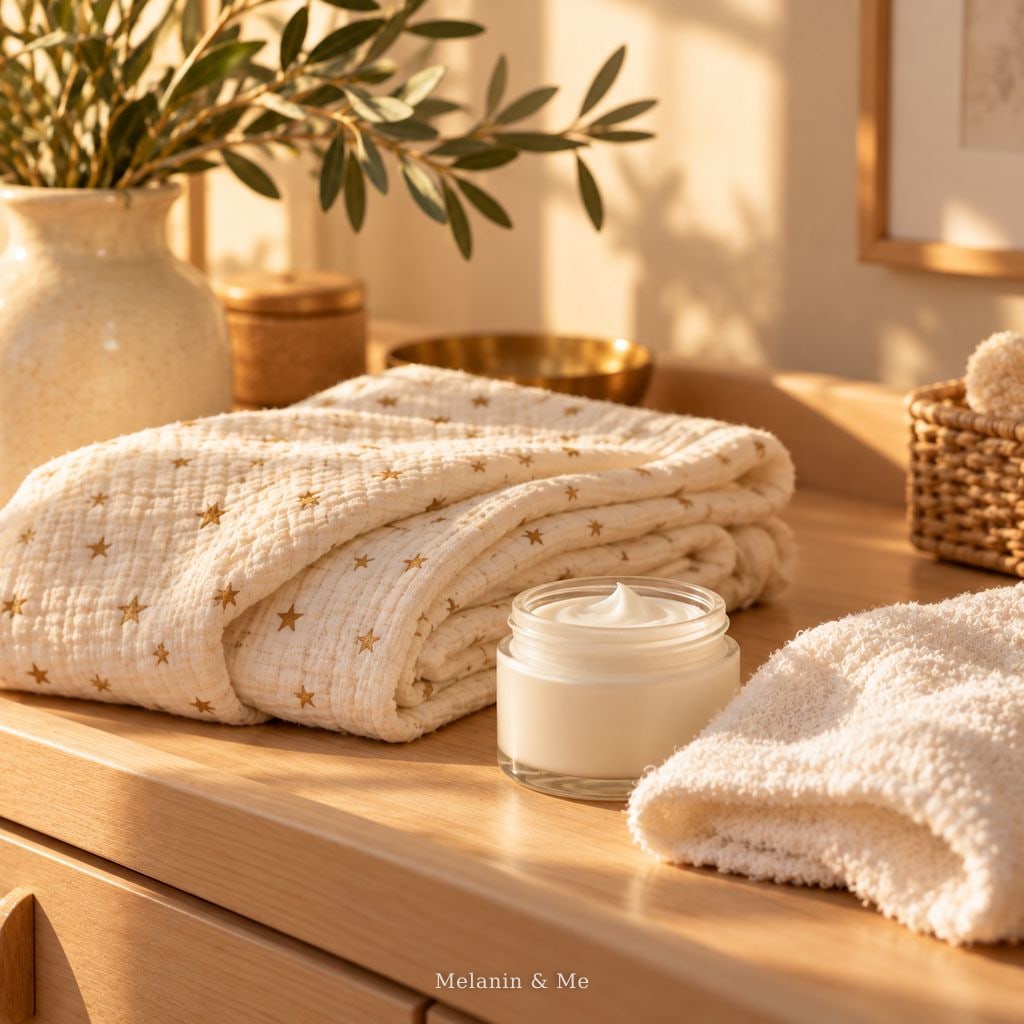
Baby's First Skin Routine
Six weeks of calm, simple care for a new baby: plain water, short baths, a gentle nappy routine and knowing which spots are normal and which need a doctor.

Children's Eczema Care
A gentle, parent-led routine alongside your child's doctor's plan.
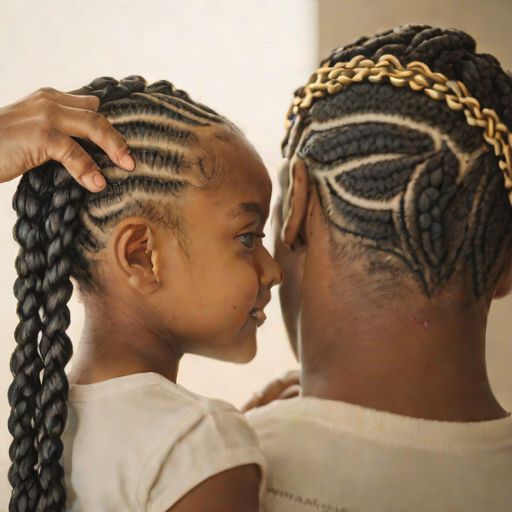
Gentle Hair Care for Children
An eight-week routine for coily and curly children's hair: an easy wash day, painless detangling, styles that do not pull, and protecting the edges for life.


