Pregnancy & children · 6 weeks
Baby's First Skin Routine
Six weeks of calm, simple care for a new baby: plain water, short baths, a gentle nappy routine and knowing which spots are normal and which need a doctor.

- Length
- 6 weeks
- For
- Children (with a parent)
- Evidence C
- Expert consensus: sensible care, fewer trials
- What to expect
- Most newborn spots and peeling settle in the first weeks without treatment. Nappy rash usually improves in 3 days with good care.
The goal: A simple daily routine you trust, comfortable skin, and confidence about when to get help.
Built on NHS and DermNet guidance for newborn care (Grade C: guidelines and expert consensus). Simple, plain care is the evidence-based choice for healthy baby skin.
Start this program
Loading…
The plan
Weeks 1–2
Keep it simple
Plain water, short baths, dry skin folds.
A newborn's skin barrier is still developing; plain water cleans without stripping it, and most early spots are normal.
Morning
Top and tail
Plain lukewarm water and cotton wool: wipe the eyes from the inside out with a fresh piece for each eye, then face, neck folds and hands. Pat dry, especially in the creases.
Why: Cleans the parts that need it without soap, which can dry and irritate newborn skin.
Evening
Short bath, 2 or 3 times a week
Lukewarm water (test with your elbow or wrist: warm, not hot). About 5 minutes. Plain water only for the first weeks. Support the head and never leave the baby alone in the bath.
Why: Short, plain baths protect the skin barrier; hot or long baths dry the skin.
Plain emollient only where skin is dry
If skin is dry or peeling, smooth a thin layer of a plain, fragrance-free emollient on those areas. Healthy skin needs nothing.
Why: Peeling is normal in the first weeks; a plain emollient comforts dry patches without fragrance or oils that can irritate.
Habits
Leave newborn spots alone
Tiny white spots (milia), blotchy spots that come and go (toxic erythema), and on darker skin small pustules that leave brown marks are common and harmless. Do not squeeze or put creams on them.
Why: They clear by themselves; creams and squeezing cause irritation.
Ask for blue-grey birthmarks to be recorded
Blue-grey patches on the lower back or bottom are very common in African babies. Ask the midwife or doctor to write them in the baby's health record.
Why: They can be mistaken for bruises later; a record avoids worry.
Light cotton layers
Dress the baby in one more light layer than you wear; loose cotton in hot weather. Feel the back of the neck, not the hands, to check warmth.
Why: Overheating causes heat rash and is unsafe for sleep.
Weeks 3–6
Protect
Nappy care, sun and shade, drool and nails.
As babies grow, nappy rash, drool rash and scratches become the common problems; simple barriers prevent most of them.
Morning
Shade, not sunscreen, under 6 months
Keep babies under 6 months out of direct sun: shade, a sun hat and light clothing that covers arms and legs. Ask a pharmacist before using sunscreen this young.
Why: A young baby's skin burns easily; shade and clothing are the safest protection.
Evening
Nappy change routine
Change wet or dirty nappies promptly. Clean with water or fragrance-free, alcohol-free wipes; pat dry. Give some nappy-free time each day. A thin layer of a plain barrier cream if the skin is red.
Why: Keeping the skin clean and dry, with a barrier, prevents most nappy rash.
Bath and emollient
As before: short, lukewarm bath; from now a mild, unperfumed baby wash if needed. Plain emollient on dry patches.
Why: Keeps skin comfortable without irritation.
Habits
Dry dribble, protect the chin
Pat dribble away with soft cotton; change wet bibs; a thin layer of plain petroleum jelly on the chin before sleep.
Why: Saliva sitting on skin causes drool rash; a barrier protects it.
Short, smooth nails
File nails gently or trim with rounded baby scissors when the baby is asleep. Cotton mittens if they scratch.
Why: Prevents scratches, which can become infected.
Nothing on the skin that is not for babies
No adult creams, lightening or "toning" creams, kerosene, menthol, herbal pastes or talc.
Why: Babies absorb much more for their size; these can cause rashes or poisoning.
Milestones
Your weekly check-in
Ask yourself these once a week. If an answer worries you, stop and see a doctor or pharmacist.
Stop and see a doctor if
- A baby under 3 months with a temperature of 38°C or above: see a doctor the same day
- A rash that does not fade when pressed with a glass, or a baby who is floppy, very sleepy or not feeding: go to hospital now
- Yellow skin or eyes in the first day, or still yellow after 2 weeks: see a doctor
- Blisters, pus or crusting spreading on the skin: see a doctor
- Nappy rash not better after 3 days, or with spots spreading beyond the nappy: see a doctor or pharmacist
In an emergency, call 112112999911911.
Sources
- NHS: Washing and bathing your baby
- NHS: Nappy rash
- DermNet: Skin conditions affecting newborn babies
- NHS Childsmile: Teething
- HealthyChildren.org (AAP): Diaper rash
Education, not diagnosis. This plan cannot examine you; pending physician review where marked.
Related programs

Pregnancy-Safe Skin
Trimester-by-trimester skin care with pregnancy-appropriate ingredients.
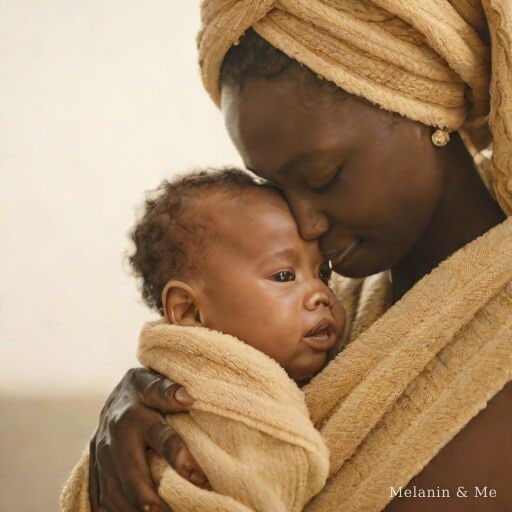
Children's Eczema Care
A gentle, parent-led routine alongside your child's doctor's plan.
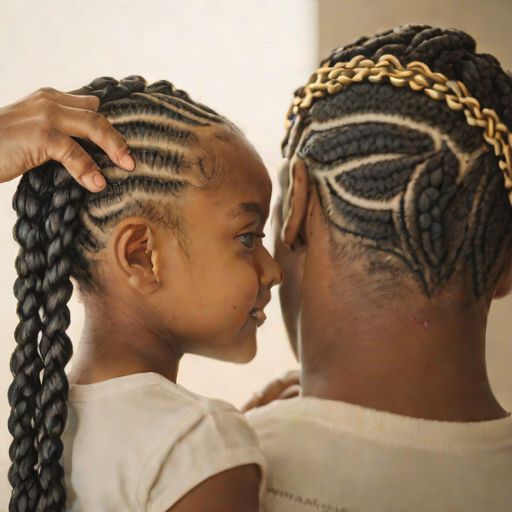
Gentle Hair Care for Children
An eight-week routine for coily and curly children's hair: an easy wash day, painless detangling, styles that do not pull, and protecting the edges for life.

Teen Skin: Spots, Marks & Confidence
For teenagers aged 13 to 17: a simple, kind routine for spots and dark marks, what to stop, and when to get proper acne treatment from a doctor or pharmacist. No bleaching, no harsh scrubs.


