Calm itchy, flaky skin · 8 weeks
Eczema Care (Teens & Adults)
Guideline-based care for itchy, dry, recurring eczema from age 12: emollients, gentle washing, correct use of prescribed creams and flare prevention.

- Length
- 8 weeks
- For
- Women, Men
- Evidence A
- Strong evidence: guidelines or reviews of trials
- What to expect
- Itch eases within days of correct treatment. Fewer flares after 4–8 weeks of maintenance. Dark or pale marks fade over months.
The goal: Fewer and milder flares, better sleep, and a written flare plan agreed with your doctor.
Guideline and Cochrane evidence (A); the emollient trial (BEE) was in children and is extrapolated. Children under 12: use Children's Eczema Care.
Start this program
Loading…
The plan
Weeks 1–2
Calm the flare
Emollient twice daily, gentle washing, prescribed cream on inflamed skin.
Emollients plus the right anti-inflammatory cream are first-line (AAD 2023, Cochrane).
Morning
Emollient: the one you like and will use
Generous amount (adults roughly 250–500 g a week for the whole body during a flare), smoothed on in the direction of hair growth twice daily and after washing. Plain petroleum jelly for very dry skin; cream or lotion if you dislike grease. Shea butter is acceptable if it suits you (patch-test first).
Why: Moisturisers are strongly recommended for eczema. The BEE trial found lotions, creams, gels and ointments work equally well, so the best one is the one you will use.
Broad-spectrum SPF 30+ (tinted with iron oxides if you have dark marks)
Two-finger rule: squeeze a line along your index and middle fingers for face and neck. Apply as the last skincare step, 15 minutes before going out. Reapply every 2 hours outdoors or after sweating.
Leave on: 15 min before sun
Why: UVA, UVB and visible light all switch on pigment cells; tinted iron-oxide formulas also block visible light, which matters most in darker skin.
Evening
Short lukewarm wash with a soap substitute
5–10 minutes, lukewarm water, emollient or soap-free wash instead of soap; pat dry; emollient within 3 minutes. Shower after heavy sweating.
Why: Soap and hot water strip skin oils; heat and sweat are common triggers in Nigeria.
Emollient: the one you like and will use
Generous amount (adults roughly 250–500 g a week for the whole body during a flare), smoothed on in the direction of hair growth twice daily and after washing. Plain petroleum jelly for very dry skin; cream or lotion if you dislike grease. Shea butter is acceptable if it suits you (patch-test first).
Why: Moisturisers are strongly recommended for eczema. The BEE trial found lotions, creams, gels and ointments work equally well, so the best one is the one you will use.
Steroid cream prescribed for flaresDoctor or pharmacist
Use only the steroid your doctor or pharmacist chooses for each body area, on inflamed skin only, at a different time from the emollient (about a quarter to half an hour apart). Face, groin and armpits need mild strengths only. Do not use it for toning or long-term on the face. Your doctor or pharmacist will advise the dose and how long.
Why: Topical steroids are first-line treatment for eczema flares (AAD 2023, strong recommendation); Cochrane found fewer applications are probably as effective as more, which keeps the amount low. Many strong steroid creams are sold over the counter in Nigeria, alone or in "3-in-1" mixes; using the right strength prevents thinning.
AAD: Updated atopic dermatitis guidelines, topical therapies (JAAD, 2023)
Habits
Itch plan: cool, press, do not scratch
Cool damp cloth or a dab of emollient from the fridge; press or pinch the itch instead of scratching; keep nails short.
Why: Scratching breaks the skin, invites infection and leaves dark or thick patches on darker skin.
Loose cotton clothes
Loose, breathable cotton next to the skin; change out of sweaty clothes soon after work or exercise.
Why: Heat, sweat and friction worsen many rashes in hot, humid weather.
Check every pack for a NAFDAC number
Before buying, look for the NAFDAC registration number and an intact seal. Buy from a registered pharmacy, not a market table or social-media seller.
Why: Counterfeit and mislabelled creams are common; some "plain" creams secretly contain steroids, mercury or strong bleaching agents.
Voice of Nigeria: NAFDAC warns against high-hydroquinone skin creams (2025)
Food
Hydration
Water with each meal and whenever thirsty; more in heat and harmattan.
Why: Supports overall health; skin hydration is mostly about the barrier, so pair water with moisturiser.
Weeks 3–8
Prevent flares
Emollient every day even when clear; weekend maintenance only if your doctor agrees; know your triggers.
Maintenance prevents relapse; weekend therapy probably reduces flares (Cochrane).
Morning
Emollient: the one you like and will use
Generous amount (adults roughly 250–500 g a week for the whole body during a flare), smoothed on in the direction of hair growth twice daily and after washing. Plain petroleum jelly for very dry skin; cream or lotion if you dislike grease. Shea butter is acceptable if it suits you (patch-test first).
Why: Moisturisers are strongly recommended for eczema. The BEE trial found lotions, creams, gels and ointments work equally well, so the best one is the one you will use.
Broad-spectrum SPF 30+ (tinted with iron oxides if you have dark marks)
Two-finger rule: squeeze a line along your index and middle fingers for face and neck. Apply as the last skincare step, 15 minutes before going out. Reapply every 2 hours outdoors or after sweating.
Leave on: 15 min before sun
Why: UVA, UVB and visible light all switch on pigment cells; tinted iron-oxide formulas also block visible light, which matters most in darker skin.
Evening
Short lukewarm wash with a soap substitute
5–10 minutes, lukewarm water, emollient or soap-free wash instead of soap; pat dry; emollient within 3 minutes. Shower after heavy sweating.
Why: Soap and hot water strip skin oils; heat and sweat are common triggers in Nigeria.
Emollient: the one you like and will use
Generous amount (adults roughly 250–500 g a week for the whole body during a flare), smoothed on in the direction of hair growth twice daily and after washing. Plain petroleum jelly for very dry skin; cream or lotion if you dislike grease. Shea butter is acceptable if it suits you (patch-test first).
Why: Moisturisers are strongly recommended for eczema. The BEE trial found lotions, creams, gels and ointments work equally well, so the best one is the one you will use.
Maintenance days (if your doctor agreed)
Weekend maintenance (only if your doctor agrees)Doctor or pharmacist
When the eczema has cleared, your doctor may suggest putting the prescribed cream on your usual flare spots on two days in a row each week to stop flares returning. Your doctor or pharmacist will advise the dose and how long.
Why: Cochrane: this "weekend therapy" probably reduces relapses.
Lax et al. Strategies for using topical corticosteroids in eczema (Cochrane, 2022; AFP summary)
Habits
Trigger diary
Note heat, sweat, wool, detergents, fragranced products, stress and illness on flare days.
Why: Knowing your triggers helps you and your doctor plan flare prevention.
Itch plan: cool, press, do not scratch
Cool damp cloth or a dab of emollient from the fridge; press or pinch the itch instead of scratching; keep nails short.
Why: Scratching breaks the skin, invites infection and leaves dark or thick patches on darker skin.
Shower after sweating
Lukewarm shower soon after heavy sweating, sport or a hot day; pat dry, especially in folds.
Why: Sweat left on the skin feeds yeast and bacteria and triggers itch.
Weekly progress photo
Same place, same daylight by a window, no filter, no makeup; front, left and right.
Why: Change is slow; consistent photos show progress memory cannot.
Food
Hydration
Water with each meal and whenever thirsty; more in heat and harmattan.
Why: Supports overall health; skin hydration is mostly about the barrier, so pair water with moisturiser.
Milestones
Your weekly check-in
Ask yourself these once a week. If an answer worries you, stop and see a doctor or pharmacist.
Stop and see a doctor if
- Clustered painful blisters or punched-out sores (eczema herpeticum): urgent care
- Weeping, crusting or fever
- Skin thinning, stretch marks or easy bruising where steroid is used
- Needing a strong steroid on the face or genitals for weeks
- Redness or burning after stopping a steroid on the face (possible withdrawal): see a doctor
- No improvement after 2–4 weeks of correct use
In an emergency, call 112112999911911.
Sources
- Cochrane: Emollients for eczema
- NHS: Atopic eczema
- DermNet: Emollients and moisturisers
- AAD: Updated atopic dermatitis guidelines, topical therapies (JAAD, 2023)
- Lax et al. Strategies for using topical corticosteroids in eczema (Cochrane, 2022; AFP summary)
- University of Bristol: Best Emollients for Eczema (BEE) trial (2023) (verify)
- Hajar et al. Topical corticosteroid withdrawal ("steroid addiction"): systematic review (JAAD, 2015)
Education, not diagnosis. This plan cannot examine you; pending physician review where marked.
Related programs
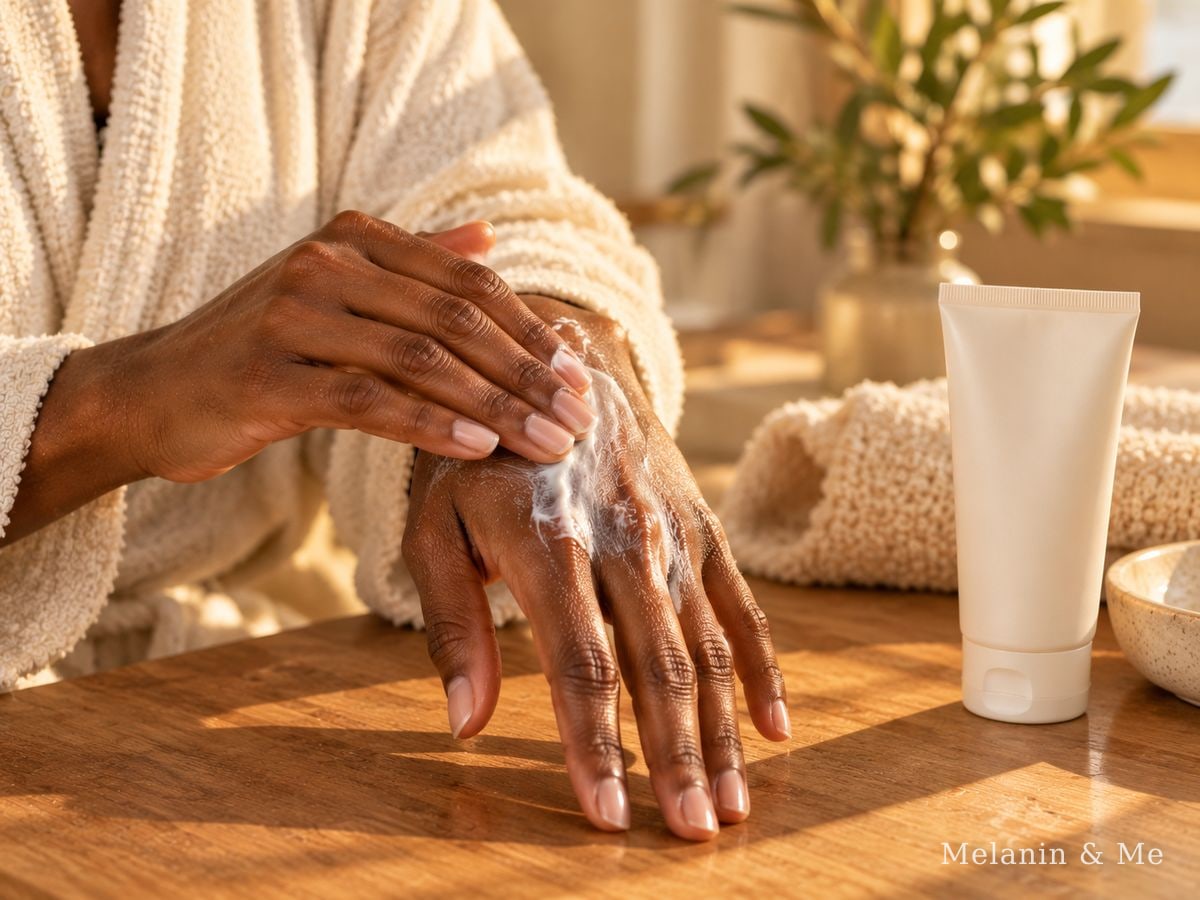
Hand Eczema Recovery
For sore, cracked, itchy hands from wet work, detergents, hair chemicals or cooking: a guideline-based skin-protection plan.
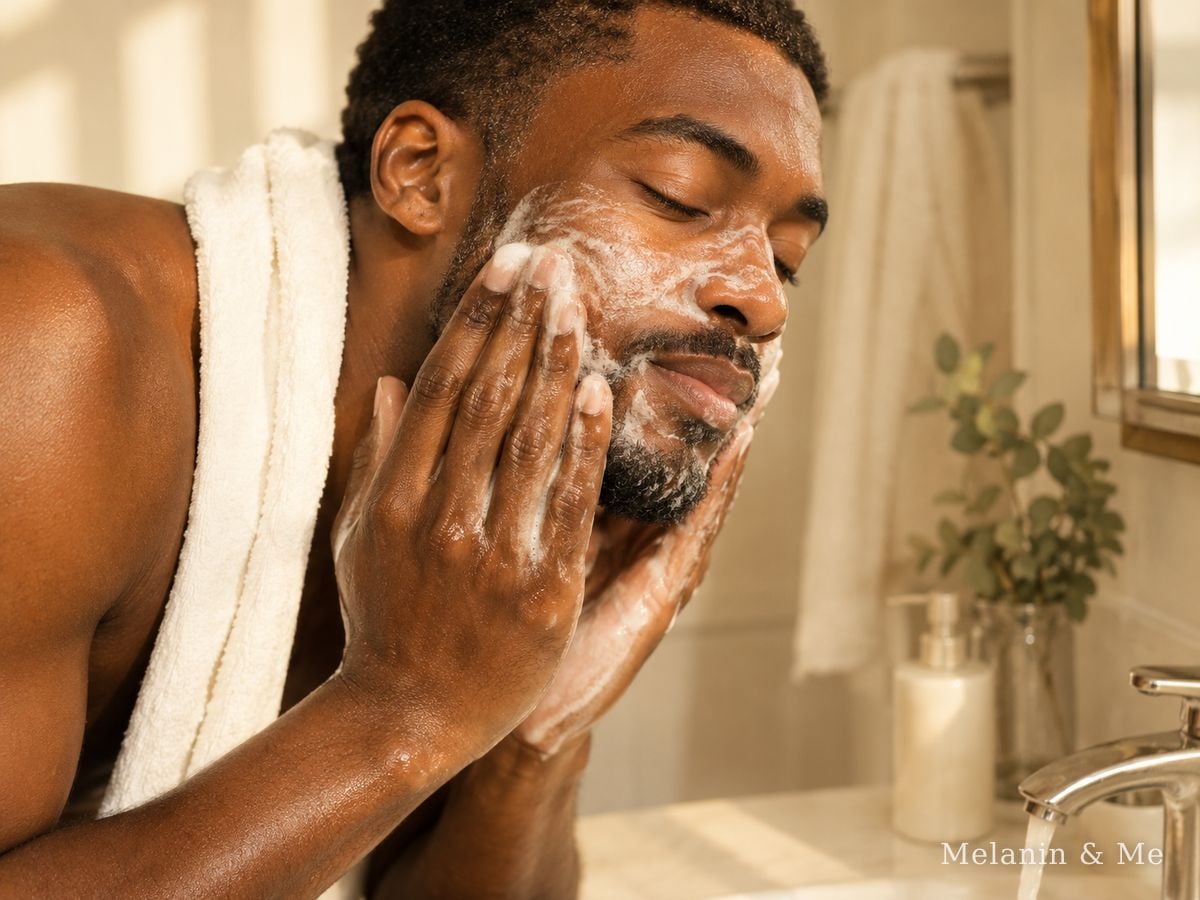
Seborrhoeic Dermatitis (Face & Body)
Clear flaky, itchy patches around the eyebrows, nose folds, beard, ears and chest with antifungal care proven in trials, then keep them away.

Dandruff & Seborrhoeic Dermatitis (Afro Hair)
8 weeks to calm itch and flakes with a medicated shampoo schedule that fits weekly or fortnightly wash days and protective styles. Includes a scalp psoriasis track for people a doctor has diagnosed.


