Makeup · 4 min read
Myth: "Expensive makeup is safer"
Doctor review pending
Price reflects packaging, brand and marketing far more than safety.
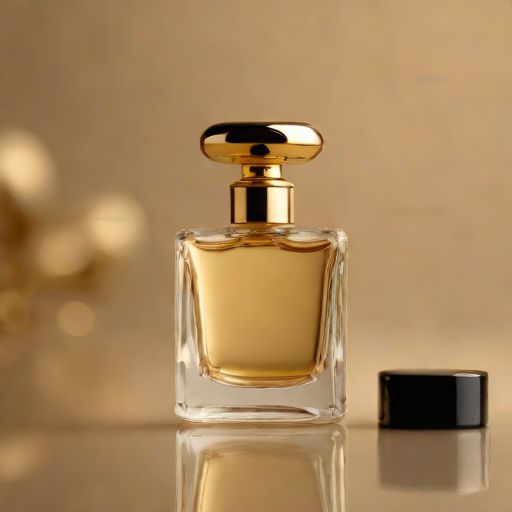
At a glance
- What it isIt is natural to assume that a higher price means purer ingredients
- Key pointPrice does not predict safety
- Key pointCounterfeits are the real risk
- Key pointFragrance-free and registered beats expensive
Key points
- Price does not predict safety.
- Counterfeits are the real risk.
- Fragrance-free and registered beats expensive.
The myth
It is natural to assume that a higher price means purer ingredients. But luxury and budget brands often use the same pigments, emulsifiers and preservatives, and many are made in the same factories.
What actually predicts safety
Safety depends on regulation, manufacturing quality, the specific ingredients and how you use the product. A cheap fragrance-free drugstore foundation may suit sensitive skin better than a heavily perfumed luxury one. The real risk in Nigeria is not price but counterfeit and unregistered products, which can be sold at luxury prices too.
How to choose
Choose fragrance-free formulas with a full ingredient list, a NAFDAC number and a reputable seller. Patch-test new products. Spend on what makes a difference to you — shade match and comfort — not on assumptions.
What you pay for
The cost of a cosmetic includes ingredients, research, packaging, distribution, retail markup, advertising and import duties. For many makeup products, the ingredients are a small fraction of the price. Luxury brands often invest in shade development, textures and packaging, which can matter to you, but these are not the same as safety.
Same rules, same factories
In regulated markets, both budget and luxury products must meet the same safety rules for permitted ingredients, preservatives and contaminants. Many brands, at all price points, are made by the same contract manufacturers. A pharmacy fragrance-free brand may have done more allergy testing than a luxury brand whose signature scent is part of its identity.
Where expensive can mean riskier
Luxury products are more often counterfeited because the profit is higher. Fake versions of popular foundations, lipsticks and palettes have been found to contain bacteria, high levels of lead and other metals, and even animal waste. In Nigeria, counterfeits are sold online, in markets and sometimes in shops that look official. A high price is not proof that a product is genuine.
Spotting counterfeits
Warning signs include prices that are far below normal for a luxury brand, misspellings or blurry printing, missing batch codes or a batch code that does not match the box, unusual smells or textures, colours that do not match the shade name, and sellers who cannot provide a receipt. Check the NAFDAC number on the NAFDAC website, buy from authorised retailers, and use the Authenticity Check in this app if in doubt.
Fragrance is often the real difference
Many premium brands add fragrance to create a recognisable experience, while many budget pharmacy brands designed for sensitive skin do not. For people prone to allergy or eczema, the cheaper fragrance-free option is often the safer one.
Getting value
Decide what matters most to you: an exact shade match for deep skin, long wear in heat, or comfort on sensitive skin. Spend there, and save on items like powder and mascara, where well-made budget options perform well. Replace mascara every three months regardless of price; an expensive mascara used for a year is riskier than a cheap one replaced on time.
Testing claims
Phrases like "dermatologist-tested" or "hypoallergenic" appear on both cheap and expensive products and are not regulated in most countries. They tell you some testing was done, not how many people were tested or what the results were. Independent reviews, ingredient lists and your own patch test tell you more than price or packaging. Bigger brands sometimes publish safety and allergy-testing summaries; it is reasonable to look for them, but no brand can promise a product will suit everyone.
Sales and gifts
Gift sets and sales are good value, but check the batch and open-jar dates: discounted stock may be older. Testers and sample sachets can be helpful for trying a product, but avoid using shared testers directly on your face or eyes; use a disposable applicator, or swatch on the jaw with a clean cotton bud.
Questions to ask instead of "how much?"
Is it fragrance-free? Is the ingredient list complete and readable? Does it have a valid NAFDAC number? Is the seller authorised? Does the shade truly match deep skin without a grey cast? Does it suit my skin type and climate? Has it passed my own patch test? A product that ticks these boxes is a sound choice at any price, while an expensive product that fails them is not.
The bottom line
Price mostly reflects brand, packaging, distribution and marketing. Safety comes from regulation, formulation and your own checks. Spend where it improves your experience, never assume price equals purity, and be most careful with luxury products from unofficial sellers.
Important
When to see a doctor
See a doctor or pharmacist if a problem is spreading, painful, bleeding, not improving after a few weeks of gentle care, or if you are unsure what it is. Visit a hospital or clinic and ask to see a dermatologist (skin specialist), or ask your general doctor for a referral. Take the products you use with you. Emergency: call 112.
Sources
Source links checked 2026-10-12. Doctor review pending. Education only, not a diagnosis. Ask a doctor or pharmacist before starting treatment.
Related articles
Myth vs fact · 4 min read
Myth: "Makeup causes acne"
Most makeup does not cause acne — but some products and habits can. Here is the evidence.
Myth vs fact · 4 min read
Myth: "Mineral makeup is always safe"
Mineral makeup can be gentle, but "mineral" does not equal risk-free.
Makeup · 4 min read
Reading makeup labels: what "fragrance-free", "non-comedogenic" and "tested" really mean
A practical guide to the words on the tube, which ones help sensitive and darker skin, and which are marketing.
Makeup · 4 min read
Shade matching and undertones for deep skin
How to find a foundation that disappears into Nigerian skin tones without looking grey or orange.