Makeup · 4 min read
Myth: "Makeup causes acne"
Doctor review pending
Most makeup does not cause acne — but some products and habits can. Here is the evidence.
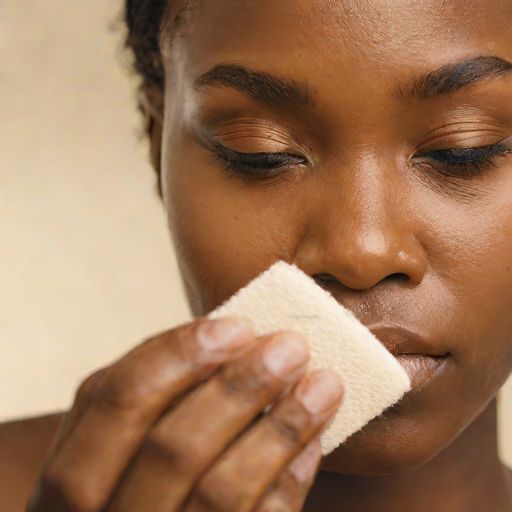
At a glance
- What it isMany people stop wearing makeup when they get spots, believing makeup itself is the cause
- What helpsChoose products labelled non-comedogenic or oil-free; apply sunscreen first
- On darker skinIn darker skin, each spot can leave a dark mark that lasts longer than the spot itself
- See a doctor ifIf spots are painful, leave dark marks or scars, or are not improving after three months of…
Key points
- Makeup is not the main cause of acne.
- Heavy, oily products and sleeping in makeup can clog pores.
- Choose non-comedogenic products and remove nightly.
The myth
Many people stop wearing makeup when they get spots, believing makeup itself is the cause. In fact, the main causes of acne are hormones, oil production, clogged pores and inflammation. Dermatologists say people with acne can wear makeup, and that covering spots can improve confidence.
The grain of truth
Acne cosmetica is real: heavy, oily or waxy products can block pores and cause small bumps, mainly on the cheeks and forehead. Hair oils and pomades running onto the forehead are a frequent cause in Nigeria. Sleeping in makeup and dirty brushes make things worse.
What helps
Choose products labelled non-comedogenic or oil-free; apply sunscreen first; remove all makeup every night with a gentle cleanser; wash brushes weekly; and keep hair oils off the face. If you use acne treatments, apply them on cleansed skin at night, not under makeup in the morning, unless your doctor says otherwise.
Important
When to see a doctor
If spots are painful, leave dark marks or scars, or are not improving after three months of good care, see a doctor; effective prescription treatments exist and starting early prevents scarring and dark marks.
Visit a hospital or clinic near you and ask to see a dermatologist (skin specialist), or ask your general doctor for a referral. Take this page and the products you use with you. Emergency: call 112.
What acne cosmetica looks like
Acne caused or worsened by cosmetics tends to look different from hormonal acne. It usually appears as many small, uniform, skin-coloured bumps (closed comedones or "whiteheads") rather than deep, painful cysts along the jaw. It typically sits where a product is applied most heavily — the cheeks for foundation and blush, the forehead and hairline for hair oils and edge control (pomade acne), and the lips' border for heavy balms. It often improves within six to eight weeks of stopping the culprit.
Ingredients more likely to clog pores
Comedogenicity ratings come mostly from older rabbit-ear and back-skin tests, so they are a rough guide rather than a rule; the whole formula and the amount used matter more than any single ingredient. Ingredients that are more often linked with clogged pores in acne-prone skin include heavy coconut oil, cocoa butter, isopropyl myristate and isopropyl palmitate, some lanolin derivatives, and very waxy, occlusive bases. Silicones such as dimethicone, glycerin, iron oxides, titanium dioxide and zinc oxide are generally well tolerated.
Why darker skin needs special care
In darker skin, each spot can leave a dark mark that lasts longer than the spot itself. That makes it tempting to cover marks with thick concealer, which can in turn clog pores and cause more spots — a cycle. Breaking it means treating the acne itself with proven treatments, wearing sunscreen to stop marks darkening, and using thin layers of non-comedogenic makeup on top.
Habits that matter more than products
Do not pick or squeeze spots before applying makeup; picking pushes inflammation deeper and makes dark marks worse. Clean your phone screen, pillowcase and makeup sponges regularly. Do not share makeup. Remove makeup before exercise if you can, or at least cleanse straight afterwards. Keep edge control and hair oils off the forehead by applying them with a small brush and wiping the hairline afterwards.
Using acne treatments with makeup
Most acne treatments are best applied at night. If you use benzoyl peroxide in the morning, let it dry fully before sunscreen and makeup, and note that it can bleach fabrics. Retinoids and azelaic acid may make skin flaky at first; a fragrance-free moisturiser under foundation and a creamy, rather than matte, formula will hide flaking better. If makeup stings on treated skin, use less of the treatment or alternate nights while your skin adjusts, and ask your pharmacist or doctor.
A four-week test
If you are unsure whether makeup is worsening your acne, try a simple test: keep your skincare unchanged, switch to a single non-comedogenic foundation and concealer, remove them carefully every night, and take a photo in the same light each week. If spots improve, the old product was likely contributing. If nothing changes after four to six weeks, the makeup is probably not the main cause.
Primers, sunscreen and "pore fillers"
Silicone primers and pore fillers are rarely the cause of acne for most people, and many make makeup last longer in heat so less is reapplied. Heavy sunscreen layers can feel greasy, but skipping sunscreen leaves dark marks worse. Choose a lightweight, non-comedogenic or gel sunscreen for oily skin rather than leaving it out.
The bottom line
Makeup and acne can coexist. Choose products thoughtfully, take them off every night, treat the acne itself, and protect dark marks with sunscreen. If you are unsure, a doctor can help work out whether a product is part of the problem.
Sources
Source links checked 2026-10-12. Doctor review pending. Education only, not a diagnosis. Ask a doctor or pharmacist before starting treatment.
Related articles
Myth vs fact · 4 min read
Myth: "Mineral makeup is always safe"
Mineral makeup can be gentle, but "mineral" does not equal risk-free.
Myth vs fact · 4 min read
Myth: "Expensive makeup is safer"
Price reflects packaging, brand and marketing far more than safety.
Makeup · 4 min read
Reading makeup labels: what "fragrance-free", "non-comedogenic" and "tested" really mean
A practical guide to the words on the tube, which ones help sensitive and darker skin, and which are marketing.
Makeup · 4 min read
Shade matching and undertones for deep skin
How to find a foundation that disappears into Nigerian skin tones without looking grey or orange.