Makeup · 4 min read
Myth: "Mineral makeup is always safe"
Doctor review pending
Mineral makeup can be gentle, but "mineral" does not equal risk-free.
At a glance
- What it isMineral makeup is marketed as pure and gentle
- What helpsRead the full ingredient list, choose registered products, patch-test
- Key point"Mineral" describes the source, not the safety
- Key pointLead and mercury are minerals too
- Key pointRead the full list and patch-test
Key points
- "Mineral" describes the source, not the safety.
- Lead and mercury are minerals too.
- Read the full list and patch-test.
The myth
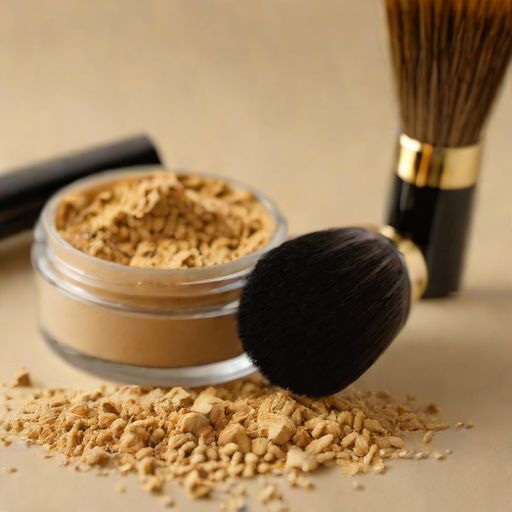
Mineral makeup is marketed as pure and gentle. Many mineral powders are indeed simple formulas with few preservatives and no fragrance, which is why some people with sensitive skin tolerate them well.
Why it is not always true
Mineral simply means the pigments and powders come from minerals such as iron oxides, titanium dioxide, zinc oxide and mica. Some contain bismuth oxychloride, which can itch in some people. Lead and mercury are also "minerals" — and these are exactly what can contaminate unregulated cosmetics and kohl. Talc is a mineral too; cosmetic talc must be tested to ensure it is free of asbestos. Loose powders can be inhaled if applied heavily.
What to do
Read the full ingredient list, choose registered products, patch-test, and apply loose powder with a brush away from the nose and mouth. Fragrance can still be present in mineral products, so check for parfum.
What mineral makeup is
True mineral foundations are usually loose or pressed powders made of a small number of ingredients: mica for shimmer and slip, iron oxides for colour, titanium dioxide and zinc oxide for coverage, sometimes bismuth oxychloride for a pearly finish, and occasionally silica or boron nitride. Because they contain little or no water, many need few or no preservatives, which is one reason they suit some sensitive skin. Many products labelled "mineral" today, however, are liquids with long ingredient lists like any other foundation.
Bismuth oxychloride
This shiny, heavy pigment is common in older mineral formulas. It is not dangerous, but some people find it causes itching or small bumps, particularly in heat and sweat. If a mineral powder makes you itchy, check the list for bismuth oxychloride and try one without it.
Mica and ethics
Mica is generally safe on the skin, though very fine particles should not be inhaled in large amounts. Some mica has been linked to child labour in mining regions. Some brands now use synthetic mica (synthetic fluorphlogopite) or publish supply-chain commitments. This is an ethical question rather than a skin-safety one, but many readers want to know.
Talc and asbestos, calmly
Talc and asbestos can form near each other in the ground, so talc used in cosmetics must be mined and tested to exclude asbestos. Regulators including the US FDA have found asbestos in a small number of cosmetic talc products, mainly loose powders, and have pushed for routine testing. For most people the practical steps are to choose reputable, registered brands, prefer pressed over loose powder if you are concerned, avoid dusting loose talc on babies, and not inhale powder clouds.
Mineral sunscreens are a different story
Mineral sunscreens use zinc oxide and titanium dioxide, which are among the best-tolerated UV filters, and tinted versions add iron oxides that help with visible light. They are a good choice for sensitive skin, pregnancy and children over six months. The white cast that used to be a problem on darker skin is much better in tinted formulas.
Contaminants in unregulated "minerals"
Lead, mercury, arsenic and cadmium are also minerals, and testing of unregulated cosmetics — especially kohl, some imported powders and skin-lightening products — has found them at worrying levels. This is why "mineral" on a label means nothing without a reputable manufacturer, a full ingredient list and a NAFDAC number.
Choosing well
Treat mineral makeup like any other: read the list, look for fragrance, check for bismuth oxychloride if you itch, apply with a clean brush, and patch-test. If it suits you, it can be a good, simple option.
Nanoparticles
Some people worry about nano-sized zinc oxide and titanium dioxide. Current evidence from European safety assessments indicates that these particles do not penetrate healthy skin in meaningful amounts when used in creams and sunscreens. The main caution is with sprays and loose powders, where inhalation is possible — so avoid spraying near the face or breathing in powder clouds. Applied as creams or pressed powders, they are considered safe.
The bottom line
Mineral makeup is a good option for many people with sensitive skin because formulas are often short and fragrance-free. But the word "mineral" is not a safety guarantee. What protects you is a registered product from a reputable maker, a readable ingredient list, the absence of the specific ingredients you react to, and a patch test. Judge mineral makeup by the same rules as any other product, and remember that the real dangers in unregulated cosmetics — lead and mercury — are minerals too.
Important
When to see a doctor
See a doctor or pharmacist if a problem is spreading, painful, bleeding, not improving after a few weeks of gentle care, or if you are unsure what it is. Visit a hospital or clinic and ask to see a dermatologist (skin specialist), or ask your general doctor for a referral. Take the products you use with you. Emergency: call 112.
Sources
Source links checked 2026-10-12. Doctor review pending. Education only, not a diagnosis. Ask a doctor or pharmacist before starting treatment.
Related articles
Myth vs fact · 4 min read
Myth: "Makeup causes acne"
Most makeup does not cause acne — but some products and habits can. Here is the evidence.
Myth vs fact · 4 min read
Myth: "Expensive makeup is safer"
Price reflects packaging, brand and marketing far more than safety.
Makeup · 4 min read
Reading makeup labels: what "fragrance-free", "non-comedogenic" and "tested" really mean
A practical guide to the words on the tube, which ones help sensitive and darker skin, and which are marketing.
Makeup · 4 min read
Shade matching and undertones for deep skin
How to find a foundation that disappears into Nigerian skin tones without looking grey or orange.