Makeup · 4 min read
Lipstick safety: lead, dyes, fragrance and lip allergy (cheilitis)
Doctor review pending
What is really in lipstick, and what to do when your lips peel or swell.
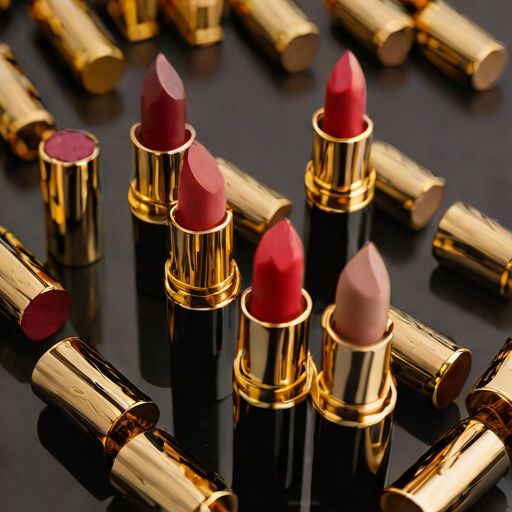
At a glance
- What helpsStop all lip products for two weeks and use plain petrolatum
- Key pointTrace lead in reputable lipsticks is very low
- Key pointFragrance, propolis, lanolin and carmine are common lip allergens
- See a doctor ifA persistent scaly or crusted patch on the lower lip, especially with years of sun exposure
Key points
- Trace lead in reputable lipsticks is very low.
- Fragrance, propolis, lanolin and carmine are common lip allergens.
- A non-healing lip sore needs a doctor.
Lead in lipstick
Tests by regulators have found trace lead in many lipsticks, usually from pigments. The amounts in reputable brands are very low and regulators consider them unlikely to cause harm at normal use. Unbranded or counterfeit products are less predictable, so buy registered products from reputable sellers. This is a good example of dose: a trace is not the same as a harmful exposure.
Lip allergy and irritation
Persistent dry, peeling, cracked or swollen lips (cheilitis) can be caused by lipstick and lip balm ingredients. Common culprits include fragrance and flavourings (such as cinnamon and mint), propolis (bee glue in "natural" balms), lanolin, some dyes including carmine, and sunscreen filters in lip products. Licking the lips makes it worse.
What to do
Stop all lip products for two weeks and use plain petrolatum. If the lips settle, reintroduce one product at a time. If cheilitis keeps coming back, a doctor can arrange patch testing to find the cause. A sore at the corner of the mouth that will not heal, a sore on the lip lasting more than three weeks, or a change in a lip patch needs a doctor.
Smart choices
Choose fragrance-free, flavour-free balms; use a lip SPF outdoors; and remove long-wear liquid lipsticks gently with an oil-based remover rather than scrubbing.
What lipstick is made of
Lipsticks are mixtures of waxes (beeswax, candelilla, carnauba), oils (castor oil is very common), pigments, and sometimes fragrance, flavour and preservatives. Long-wear liquid lipsticks add film formers and volatile solvents that evaporate to leave a durable layer — which is why they feel drying. Glosses are mostly polymers and oils with less pigment.
Putting lead in context
Lead appears in trace amounts because pigments come from natural minerals and the environment. The US FDA tested hundreds of lipsticks and found the average lead content to be very low, at levels it does not consider a safety concern when used as intended. Lipstick is applied in tiny amounts and only a small fraction is swallowed. This does not mean lead is harmless; it means the dose from reputable lipstick is small compared with sources such as contaminated water, old paint, battery recycling and unlabelled kohl. The highest risk comes from counterfeit or unregistered products, which have no quality control.
Dyes and allergy
Most lipstick pigments are well tolerated. Carmine (CI 75470), made from cochineal insects, occasionally causes allergy. Some red dyes in older formulas were linked to lip dermatitis. Castor oil components such as ricinoleic acid are a recognised but uncommon cause of lipstick allergy. Benzophenone sunscreen filters in lip balms and flavours like cinnamal and peppermint are more frequent causes than pigments.
Darkening of the lips
Many people notice their lips becoming darker or patchy. Causes include sun exposure, smoking, allergic or irritant reactions to lip products, licking the lips, some medicines, and natural variation. A lip reaction in darker skin often shows as darkening rather than redness. Stopping the cause and using a fragrance-free lip SPF helps, but darkening can take months to fade. Avoid "lip lightening" creams sold without a full ingredient list; they may contain hydroquinone or steroids.
Lips in harmattan
Dry, dusty harmattan air cracks lips. Apply a plain petrolatum or fragrance-free balm several times a day and before bed, use a lip SPF outdoors, drink water, and avoid licking or peeling. Wear lipstick over a balm, and choose creamy rather than matte long-wear formulas until the lips heal.
When it is not the lipstick
Cracks at the corners of the mouth (angular cheilitis) can be due to saliva pooling, fungal or bacterial infection, or low iron or B vitamins. A persistent scaly or crusted patch on the lower lip, especially with years of sun exposure, should be checked by a doctor, as should any lump or ulcer lasting more than three weeks.
Hygiene and sharing
Lip products touch saliva and can carry viruses, including the cold-sore virus (herpes simplex). Never share lipstick or gloss, and use disposable applicators at counters and with makeup artists. If you have a cold sore, use a separate balm until it has fully healed, then replace it. Long-wear liquid lipsticks with wand applicators should be replaced after about a year, or sooner if they smell different.
Choosing a lipstick for sensitive lips
Look for fragrance-free and flavour-free formulas, avoid propolis and strong mint or cinnamon, and patch-test a new shade on the edge of the lip for a few days before full use. Remove lipstick before bed.
Important
When to see a doctor
A persistent scaly or crusted patch on the lower lip, especially with years of sun exposure. See a doctor or pharmacist if a problem is spreading, painful, bleeding, not improving after a few weeks of gentle care, or if you are unsure what it is. Visit a hospital or clinic and ask to see a dermatologist (skin specialist), or ask your general doctor for a referral. Take the products you use with you. Emergency: call 112.
Sources
Source links checked 2026-10-12. Doctor review pending. Education only, not a diagnosis. Ask a doctor or pharmacist before starting treatment.
Related articles

Makeup · 4 min read
Kohl, tiro and lead: what Nigerian families should know
Traditional eye cosmetics can contain lead. Here is how to enjoy the look safely.
Makeup · 4 min read
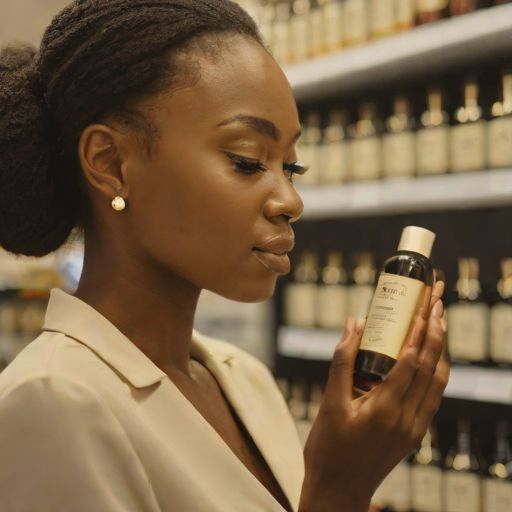
Reading makeup labels: what "fragrance-free", "non-comedogenic" and "tested" really mean
A practical guide to the words on the tube, which ones help sensitive and darker skin, and which are marketing.
Makeup · 4 min read
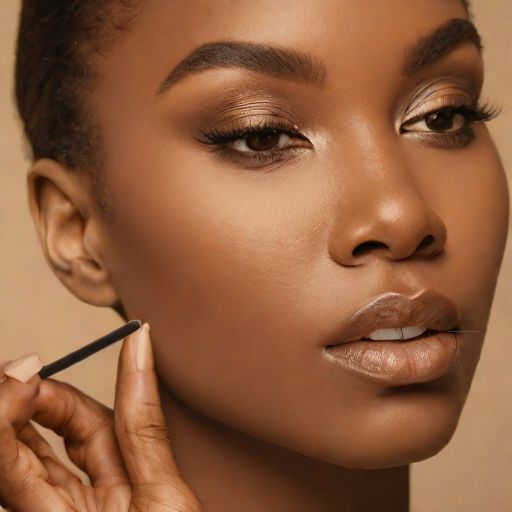
Shade matching and undertones for deep skin
How to find a foundation that disappears into Nigerian skin tones without looking grey or orange.
Makeup · 4 min read
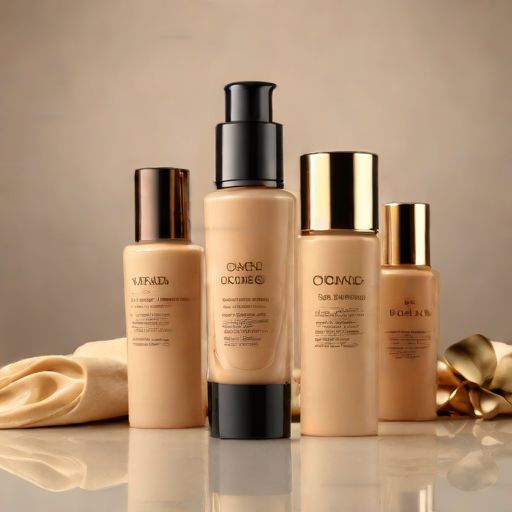
Foundation types, and why tinted (iron-oxide) sunscreen helps dark spots and melasma
Liquids, powders and sticks compared, plus the evidence for visible-light protection in darker skin.