Makeup · 4 min read
Foundation types, and why tinted (iron-oxide) sunscreen helps dark spots and melasma
Doctor review pending
Liquids, powders and sticks compared, plus the evidence for visible-light protection in darker skin.
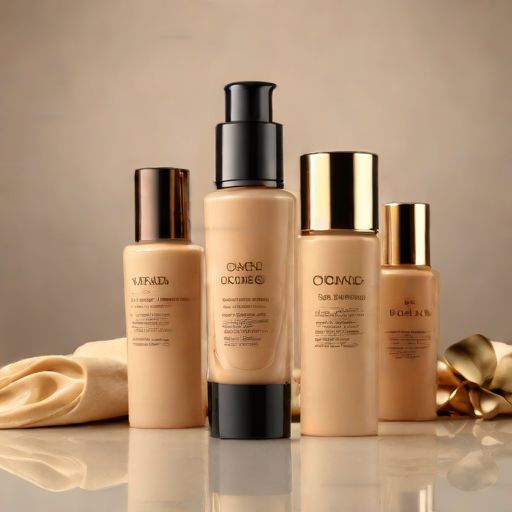
At a glance
- Key pointIron oxides in tinted products help block visible light
- Key pointTinted sunscreen reduces melasma relapse in studies
- Key pointFoundation does not replace a proper sunscreen layer
- See a doctor ifIf patches are spreading, appeared in pregnancy or with hormonal contraception
Key points
- Iron oxides in tinted products help block visible light.
- Tinted sunscreen reduces melasma relapse in studies.
- Foundation does not replace a proper sunscreen layer.
The main types
Liquid foundations range from sheer skin tints to full-coverage matte. Cream and stick foundations give more coverage and suit dry skin but can feel heavy on oily skin. Powder foundations absorb oil and are often well tolerated, but can look dry on dehydrated skin. For acne-prone skin, look for non-comedogenic water-based liquids or mineral powders, and remove every night.
Visible light and pigment
Sunlight is not only ultraviolet. Visible light, especially blue-violet light, can deepen pigmentation in darker skin types, and ordinary chemical sunscreens do not block it well. Iron oxides — the same pigments that give tinted sunscreens and many foundations their colour — absorb visible light. Studies in people with melasma show that tinted sunscreen containing iron oxides reduces relapse better than untinted sunscreen. This is why dermatologists commonly recommend tinted, iron-oxide sunscreen for melasma and dark marks.
How to use it
Foundation is not a substitute for sunscreen: most people apply far too little to reach the SPF on the label. Apply sunscreen first using the two-finger rule for face and neck, wait a few minutes, then foundation. A tinted mineral sunscreen in your shade can serve as both on low-coverage days. Reapply sunscreen every two hours outdoors; an SPF powder or spray is a convenient top-up over makeup.
Comfort in Nigerian weather
In humid months a gel-based sunscreen and a lightweight foundation set with a small amount of powder lasts longest. In harmattan, a hydrating primer or moisturiser under foundation prevents flaking.
Matching formula to skin type
Oily and combination skin: water-based or silicone-based liquid foundations with a matte or satin finish, plus a light dusting of powder on the T-zone, usually last longest in humidity. Dry skin and harmattan: hydrating liquid or cream formulas over a moisturiser, with powder only where needed. Acne-prone skin: non-comedogenic liquids or mineral powders; avoid very heavy creams and sticks over active spots. Sensitive and eczema-prone skin: the shortest fragrance-free list you can find; mineral powders are often tolerated but check for bismuth oxychloride, which itches in some people.
What the evidence says about visible light
Ultraviolet causes sunburn and most sun damage, but visible light — the light we see — can cause longer-lasting pigment in people with darker skin types (Fitzpatrick IV to VI), while barely affecting very fair skin. Studies comparing ordinary sunscreens with tinted sunscreens containing iron oxides in people with melasma found better results with the tinted products. Higher amounts of iron oxide give more visible-light protection, which is why deeper-tinted products and foundations with good coverage can help, as long as they are applied over sunscreen. This is one of the few areas where makeup has a genuine skin-health benefit for darker skin.
Layering order
A simple order that works: cleanse, apply any morning serum such as niacinamide, moisturise if needed, apply sunscreen using the two-finger rule (two finger-lengths for face and neck), wait about five minutes until it sets, then apply primer if you use one, then foundation. Applying foundation too soon after sunscreen causes pilling and patchiness. If your sunscreen is tinted and matches you, you may need only spot concealer on top.
Tools and amount
Use a pea-sized to almond-sized amount of liquid foundation for the whole face, building in thin layers where needed rather than one thick layer. Thick layers settle into pores and fine lines and break down in sweat. A damp sponge gives a natural finish; a dense brush gives more coverage. Wash tools weekly.
Lasting in heat
In Lagos humidity, blotting papers pressed (not wiped) on the forehead and nose remove oil without disturbing foundation. Setting sprays without alcohol can help, but a light powder layer is often more effective. If you sweat heavily, waterproof formulas last longer but need an oil-based remover at night.
Important
When melasma needs more than makeup
Tinted sunscreen helps prevent melasma worsening but does not treat it on its own. If patches are spreading, appeared in pregnancy or with hormonal contraception, or are not improving after three months of strict sun protection, see a doctor. Effective treatments exist, and some over-the-counter "fade" creams sold in Nigeria contain hydroquinone, steroids or mercury, which can make things much worse.
Visit a hospital or clinic near you and ask to see a dermatologist (skin specialist), or ask your general doctor for a referral. Take this page and the products you use with you. Emergency: call 112.
Bridal and long events
For weddings and long celebrations, do a full trial about six weeks before, in similar heat, and photograph it with and without flash. Use sunscreen first, a thin primer suited to your skin type, a long-wear foundation applied in thin layers, and a light press of tinted powder. Carry blotting papers and a small powder for touch-ups rather than adding more foundation through the day. Remove everything gently that night with a double cleanse.
Sources
Source links checked 2026-10-12. Doctor review pending. Education only, not a diagnosis. Ask a doctor or pharmacist before starting treatment.
Related articles
Makeup · 4 min read
Reading makeup labels: what "fragrance-free", "non-comedogenic" and "tested" really mean
A practical guide to the words on the tube, which ones help sensitive and darker skin, and which are marketing.
Makeup · 4 min read
Shade matching and undertones for deep skin
How to find a foundation that disappears into Nigerian skin tones without looking grey or orange.
Makeup · 4 min read
Mascara and eye makeup: the 3-month rule, infections and allergies
Simple habits that protect your eyes from infection, allergy and injury.

Makeup · 4 min read
Kohl, tiro and lead: what Nigerian families should know
Traditional eye cosmetics can contain lead. Here is how to enjoy the look safely.