Makeup · 4 min read
Mascara and eye makeup: the 3-month rule, infections and allergies
Doctor review pending
Simple habits that protect your eyes from infection, allergy and injury.
At a glance
- Key pointReplace mascara every 3 months
- Key pointNever share eye makeup or use testers on your eyes
- Key pointEye pain or vision change needs urgent care
- See a doctor ifSeek urgent care for eye pain, a change in vision, sensitivity to light or a red eye after…
Key points
- Replace mascara every 3 months.
- Never share eye makeup or use testers on your eyes.
- Eye pain or vision change needs urgent care.
The 3-month rule
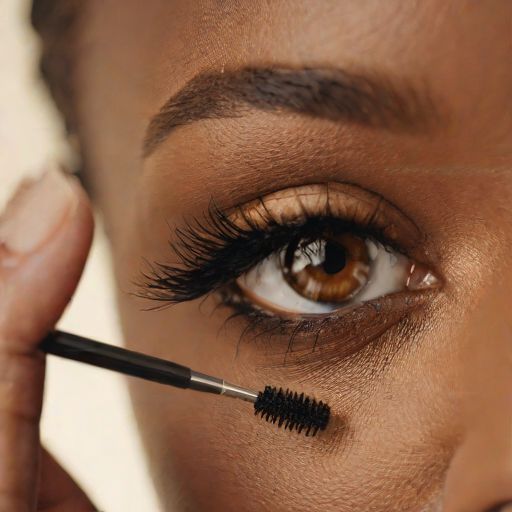
Mascara and liquid liner are wet products that touch your lashes and are pumped with air every time you use them, so bacteria grow quickly. Eye-health bodies advise replacing mascara about every three months, and sooner if it dries out or smells odd. Never add water or saliva to revive it. Throw away all eye makeup after an eye infection.
Never share
Sharing mascara, liner or eye pencils spreads conjunctivitis and other infections. At events and markets, do not use shop testers on your eyes. A makeup artist should use disposable wands or sanitised tools for every client.
Application safety
Do not apply makeup in a moving vehicle; scratching the cornea with a wand is a real and painful injury. Avoid lining the inner rim (waterline) if your eyes are sensitive, as it puts product directly into the tear film. Remove eye makeup gently every night with an oil or micellar remover rather than rubbing.
Allergens in eye products
Carbon black (a pigment in black mascaras and liners) is usually well tolerated but can cause reactions in some people. Metal parts of eyelash curlers and some pigments can contain nickel. Preservatives and fragrance remain the most common culprits. Itchy, swollen or scaly eyelids after a new product suggest allergy; stop it and see a doctor if it does not settle.
Important
When to see a doctor
Seek urgent care for eye pain, a change in vision, sensitivity to light or a red eye after injury. Contact lens wearers with a painful red eye need same-day care.
Visit a hospital or clinic near you and ask to see a dermatologist (skin specialist), or ask your general doctor for a referral. Take this page and the products you use with you. Emergency: call 112.
Why eyes are different
The skin of the eyelids is among the thinnest on the body, so it reacts to allergens that the face tolerates. Eyelid dermatitis — itchy, red or dark, flaky eyelids — is frequently caused by products applied elsewhere and transferred by the hands, such as nail polish resins, hair products and fragrance, as well as by eye makeup itself. The eye surface is also directly exposed to anything that flakes or migrates from lashes and lids.
Signs of infection
Bacterial conjunctivitis causes red, sticky eyes with yellow or green discharge; a stye is a tender lump at the lid margin. Stop all eye makeup until it has fully settled and throw away any mascara, liner or eye pencil used during the infection. Pencils can be sharpened to expose a fresh surface, but wet products should be replaced. Seek medical advice if symptoms last more than a few days, if there is pain or blurred vision, or in a baby.
Contact lens wearers
Insert lenses before applying makeup and remove them before taking makeup off. Avoid fibre-containing "lengthening" mascaras, which shed particles into the eye, and loose glitter near the eyes. Choose ophthalmologist-tested products, and never sleep in lenses or makeup.
Lash extensions, glues and tints
Lash extension adhesives usually contain cyanoacrylates that can cause allergy and irritation; reactions can appear after several uneventful sets. Lash and brow tints may contain PPD or related dyes, which need a patch test 48 hours before every application. Choose trained technicians who use clean tools, and stop if your eyelids swell or itch.
Removing eye makeup well
Soak a cotton pad with an oil-based or micellar remover, hold it on the closed eye for 15 to 20 seconds to dissolve mascara, then wipe gently downward and outward. Repeat rather than scrubbing. Rubbing the eyes repeatedly can break lashes, darken the skin around the eyes in darker skin types and, in people prone to keratoconus, may worsen the cornea.
What to buy
Prefer fragrance-free, ophthalmologist-tested mascara and liner from reputable brands, with a NAFDAC number, an open-jar symbol and a full ingredient list. Write the opening date on the tube with a marker so the three-month rule is easy to follow.
Shimmer, glitter and pigments
Not all colourants are approved for use near the eyes. Some bright neon and craft glitters are intended only for the body or nails and can scratch the eye or contain colours not permitted around the eyes. Check that a palette is labelled safe for the eye area, avoid craft glitter entirely, and apply loose shimmer with eyes closed, tapping off excess so it does not fall into the eye. Fallout can be swept away with a clean brush once your eye makeup is finished.
Eyelid darkening
Darkening around the eyes is very common in darker skin and is usually due to genetics, rubbing, allergy (including hay fever) or thin skin showing blood vessels. Eye makeup rarely causes it directly, but repeated rubbing to remove waterproof mascara can. Gentle removal, treating itchy allergies, and sunscreen or sunglasses help more than lightening creams, which should never be used around the eyes.
Sources
Source links checked 2026-10-12. Doctor review pending. Education only, not a diagnosis. Ask a doctor or pharmacist before starting treatment.
Related articles

Makeup · 4 min read
Reading makeup labels: what "fragrance-free", "non-comedogenic" and "tested" really mean
A practical guide to the words on the tube, which ones help sensitive and darker skin, and which are marketing.
Makeup · 4 min read
Shade matching and undertones for deep skin
How to find a foundation that disappears into Nigerian skin tones without looking grey or orange.

Makeup · 4 min read
Foundation types, and why tinted (iron-oxide) sunscreen helps dark spots and melasma
Liquids, powders and sticks compared, plus the evidence for visible-light protection in darker skin.

Makeup · 4 min read
Kohl, tiro and lead: what Nigerian families should know
Traditional eye cosmetics can contain lead. Here is how to enjoy the look safely.