Makeup · 4 min read
Removal, double cleansing, brush hygiene and patch testing
Doctor review pending
The habits that prevent most makeup problems.
At a glance
- Key pointDouble cleanse long-wear makeup
- Key pointWash brushes weekly
- Key pointPatch-test new products for 7–10 days
- Remove every nightSleeping in makeup is linked to clogged pores, eye irritation and dull skin
Key points
- Double cleanse long-wear makeup.
- Wash brushes weekly.
- Patch-test new products for 7–10 days.
Remove every night
Sleeping in makeup is linked to clogged pores, eye irritation and dull skin. A double cleanse works well for long-wear or waterproof makeup: first an oil, balm or micellar water to dissolve makeup, then a gentle fragrance-free cleanser. Massage for about 30 to 60 seconds, rinse with lukewarm water and pat dry. Use a soft cloth, not a scrub.
Brushes and sponges
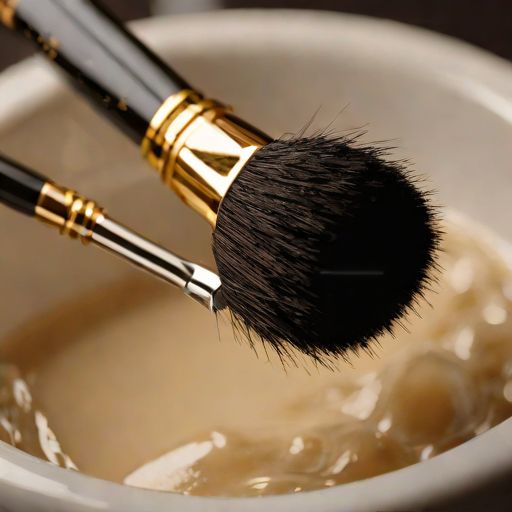
Dirty brushes harbour bacteria and old product. Wash foundation and concealer brushes and sponges weekly, and eye brushes at least every two weeks: wet the bristles, massage with a gentle shampoo or soap in your palm, rinse until clear, squeeze out water and dry flat. Replace sponges every few months or sooner if torn.
Patch testing at home
Apply a small amount of the new product to the same spot (inner forearm or behind the ear) twice a day for seven to ten days. If there is no itching, rash or darkening, it is less likely to cause a reaction. For eye products, test near the eye area on the cheekbone. Home testing does not replace patch testing at a clinic for people with recurrent reactions.
Makeup with eczema, rosacea or acne
Choose few-ingredient, fragrance-free products; apply moisturiser first; avoid alcohol-heavy setting sprays; use green-tinted primer sparingly to tone down rosacea redness. Do not apply makeup on broken, weeping skin.
Pregnancy, men and teens
Most makeup is fine in pregnancy; skin can be more sensitive and melasma more likely, so tinted sunscreen is useful. Men can use tinted moisturisers or concealers on razor-bump marks with the same rules. Teens should start simple with non-comedogenic products, never share eye makeup, and avoid lightening products entirely.
Why makeup becomes contaminated
Every time a finger, brush or sponge touches a product, it carries skin bacteria and oil into it. Preservatives keep this in check for the stated period after opening, but heat, humidity, water in the product and sharing all overwhelm them. Studies of used makeup have found bacteria including Staphylococcus and E. coli on sponges, brushes and old mascara. Most of the time this causes nothing, but it can lead to spots, eye infections and, rarely, more serious skin infections.
Setting sprays
Setting sprays help makeup last in heat. Many contain alcohol, which can sting eczema- and rosacea-prone skin, and some contain fragrance. Choose alcohol-free and fragrance-free versions if your skin is sensitive, hold the bottle at arm's length, close your eyes and hold your breath while spraying, and do not spray directly into the eyes.
Sensitive skin conditions
Eczema: moisturise 15 minutes before makeup; use creamy, fragrance-free products; avoid makeup on weeping or broken skin; remove gently with a cream cleanser. Rosacea: avoid alcohol, menthol, witch hazel and fragrance; a green-tinted primer reduces redness on lighter-medium skin, while on deep skin redness may look dusky and is better evened with your foundation. Acne: non-comedogenic products and nightly removal; see the acne myth article.
Pregnancy in detail
Most makeup products are considered safe in pregnancy. Skin can become more reactive, so patch-test new products. Melasma ("the mask of pregnancy") is common in darker skin; daily tinted sunscreen with iron oxides is the most useful step. Avoid skin-lightening products and any cream without a full ingredient list, which may hide mercury, hydroquinone or steroids. Hair-straightening treatments that release formaldehyde vapour are best avoided.
Men and tinted products
Many men use tinted moisturisers, concealers and brow gels. The same rules apply: match the shade on the jaw in daylight, choose non-comedogenic and fragrance-free formulas, and avoid applying over freshly shaved skin with razor bumps — wait until any irritation settles. A tinted moisturiser over razor-bump dark marks can even out the beard area while treatment works.
Teens
Teenage skin is often oily and acne-prone. Start with a few products: a gentle cleanser, moisturiser and sunscreen, then a light non-comedogenic tint or concealer if wanted. Never share eye makeup with friends, remove makeup every night even after parties, avoid lightening and "toning" creams completely, and talk to a parent, pharmacist or doctor if acne is affecting confidence — treatment works.
A simple weekly routine
Once a week: wash foundation brushes and sponges, wipe compacts and palettes with a tissue, check open-jar dates and throw out anything that smells or looks different. Every three months: replace mascara and liquid liner. After any eye infection: replace all eye products used during it.
Makeup artists
When booking a makeup artist, it is reasonable to ask how tools are cleaned between clients. Good practice includes disposable mascara wands and lip applicators, palettes scraped onto a clean mixing plate rather than used directly, brushes washed or sanitised for every client, and hands cleaned before starting.
Important
When to see a doctor
See a doctor or pharmacist if a problem is spreading, painful, bleeding, not improving after a few weeks of gentle care, or if you are unsure what it is. Visit a hospital or clinic and ask to see a dermatologist (skin specialist), or ask your general doctor for a referral. Take the products you use with you. Emergency: call 112.
Sources
Source links checked 2026-10-12. Doctor review pending. Education only, not a diagnosis. Ask a doctor or pharmacist before starting treatment.
Related articles
Makeup · 4 min read
Reading makeup labels: what "fragrance-free", "non-comedogenic" and "tested" really mean
A practical guide to the words on the tube, which ones help sensitive and darker skin, and which are marketing.
Makeup · 4 min read
Shade matching and undertones for deep skin
How to find a foundation that disappears into Nigerian skin tones without looking grey or orange.
Makeup · 4 min read
Foundation types, and why tinted (iron-oxide) sunscreen helps dark spots and melasma
Liquids, powders and sticks compared, plus the evidence for visible-light protection in darker skin.
Makeup · 4 min read
Mascara and eye makeup: the 3-month rule, infections and allergies
Simple habits that protect your eyes from infection, allergy and injury.