Skin · 4 min read
Skin changes in pregnancy
Doctor review pending
Melasma, dark lines, stretch marks and which products to pause.

At a glance
- What it isPregnancy hormones change skin, hair and nails
- CausesOestrogen and progesterone stimulate melanocytes and increase blood flow
- What helpsDaily sunscreen: reduces melasma
- AvoidAvoid retinoids (including adapalene), high-strength salicylic acid and hydroquinone during…
- On darker skinMelasma and the dark line on the tummy are very common in darker skin
- See a doctor ifSee a doctor for intense itching, especially on palms and soles
Key points
- Pause retinoids in pregnancy.
What it is
Pregnancy hormones change skin, hair and nails.
How it works
Oestrogen and progesterone stimulate melanocytes and increase blood flow.
Why it matters on darker skin
Melasma and the dark line on the tummy are very common in darker skin.
Causes and triggers
Hormones, sun, genetics.
What helps — and why it works
Daily sunscreen: reduces melasma. Expected timeline: daily. Moisturise belly: comfort. Expected timeline: daily. Azelaic acid is generally considered suitable — check with your doctor: safer option for acne/marks. Expected timeline: 8–12 weeks.
More detail
Pregnancy causes many normal skin changes. The dark line down the abdomen (linea nigra), darkening of the nipples, underarms and inner thighs, and melasma on the face are all driven by hormones and usually fade, at least partly, after the baby is born. Stretch marks are common on the abdomen, breasts and thighs; moisturising helps comfort, but no cream has been proven to prevent them. Hair may become thicker during pregnancy, followed by shedding a few months after birth. Some conditions need attention: intense itching, especially of the palms and soles and without a rash, can be a sign of a liver condition (obstetric cholestasis) and should be reported to your midwife or doctor promptly. Many prescription skin medicines and some cosmetic actives are best avoided, so check with a clinician or pharmacist before starting or continuing treatment.
What to avoid and why
Avoid retinoids (including adapalene), high-strength salicylic acid and hydroquinone during pregnancy.
Common mistakes
- Starting new strong actives without advice.
Building a routine that lasts
Most skin problems improve with a short routine used every day rather than many products used occasionally. A practical base is a gentle cleanser, a fragrance-free moisturiser and a broad-spectrum sunscreen in the morning, with one targeted treatment at night. Introduce one new product at a time and give it two weeks before adding another, so that if your skin reacts you know the cause. Patch-test on the inner arm or behind the ear for a few days first. Skin renews itself roughly every four to six weeks, so most treatments need two to three cycles — eight to twelve weeks — before you can judge them fairly. Photographs taken in the same light every four weeks are more reliable than memory. In the Nigerian climate, heat, humidity and harmattan all change what your skin needs: lighter gels in the humid season and richer creams in dry months are both reasonable. If a product stings for more than a few minutes, causes swelling, or leaves new dark patches, stop it. Buy from registered pharmacies or official stockists, and use the Authenticity Check if you are unsure whether a product is genuine.
Reading labels and choosing products
On the label, look first for the active ingredient and whether the product is fragrance-free and non-comedogenic. Ingredients are listed in order of amount, so an active at the end of a long list may be present only in a small quantity. Be wary of products that promise results in days, that list no ingredients, or whose label is a sticker or handwritten. Words such as 'natural', 'herbal', 'organic' and 'dermatologist-inspired' are marketing terms, not safety standards. Hydroquinone, mercury compounds (sometimes listed as calomel or mercurous chloride) and strong steroids such as clobetasol do not belong in an over-the-counter cosmetic. A real NAFDAC registration number should be printed on the pack and should match the product on the official Greenbook register. Price is not proof: counterfeiters copy expensive brands. When in doubt, ask a pharmacist, keep your receipt, and use Melanin & Me's Authenticity Check and barcode scanner as a first screen.
Important
When to see a doctor
See a doctor for intense itching, especially on palms and soles.
Visit a hospital or clinic near you and ask to see a dermatologist (skin specialist), or ask your general doctor for a referral. Take this page and the products you use with you. Emergency: call 112.
Questions to ask your doctor or pharmacist
Useful questions include: What do you think is causing this? Is it likely to come back, and how can I prevent it? Which products should I stop? How long before I should expect improvement, and when should I come back if it isn't better? Are there side effects to watch for? Is this treatment safe if I am pregnant, breastfeeding or for my child? Writing your questions down, bringing your products (or photos of their labels) and taking dated photos of the problem make an appointment much more useful.
Sources
How to read this article. This article explains general principles, based on guidance from organisations such as the NHS, NICE, the American Academy of Dermatology, DermNet and the WHO. It cannot account for your own medical history, medicines or pregnancy, and it is not a diagnosis. Where we mention treatments we do not give doses: a doctor or pharmacist will advise on what suits you. Timelines are typical, not guaranteed — everyone's skin, hair and nails respond at their own pace.
Source links checked 2026-10-12. Doctor review pending. Education only, not a diagnosis. Ask a doctor or pharmacist before starting treatment.
Related articles

Skin · 5 min read
Light patches: pityriasis alba, vitiligo and tinea versicolor
Three common causes of pale patches, how to tell them apart, and which ones need a doctor.

Skin · 5 min read
Acne
What causes spots, how to treat them gently, and how to prevent dark marks afterwards.
Skin · 5 min read
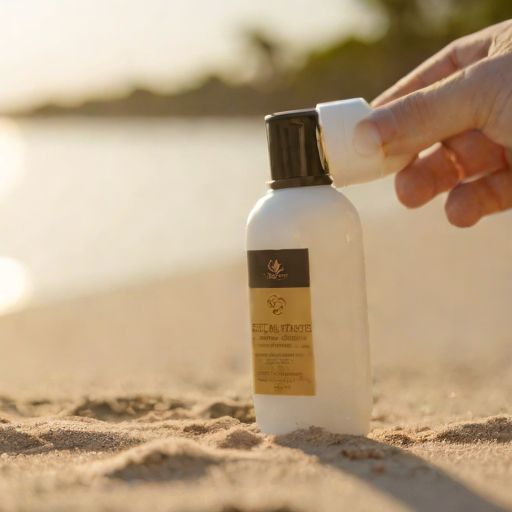
Sunscreen for dark skin
Yes, darker skin needs sunscreen. Here is why, and how to choose one without a white cast.
Skin · 5 min read
Keloids
Raised scars that grow beyond the original wound, and how to lower your risk.