Body · 4 min read
Myth: "Shaving makes hair grow back thicker"
Doctor review pending
Shaving changes how hair feels, not its thickness, colour or speed of growth.
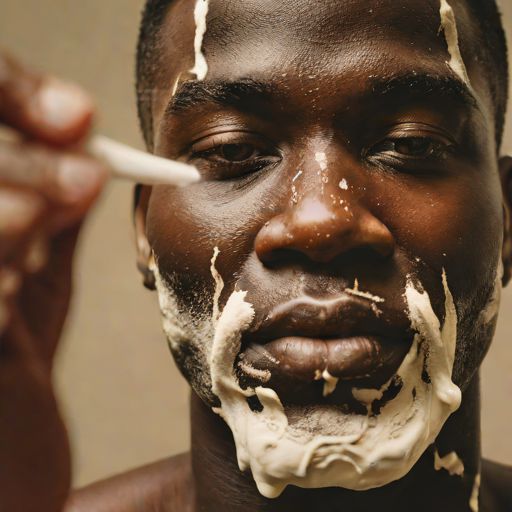
At a glance
- What it isMany believe shaving makes hair grow back thicker, darker or faster
- CausesStubble feels rough, and hair regrowing in puberty coincides with starting to shave
- What helpsUse a guarded trimmer or shave with the grain: fewer ingrown hairs
- AvoidAvoid plucking curly hairs
- On darker skinCurly hair in darker skin tends to curl back after shaving, causing razor bumps
- See a doctor ifSee a doctor for persistent bumps or keloid scars
Key points
- Shaving doesn't change hair thickness.
The myth
Many believe shaving makes hair grow back thicker, darker or faster.
The facts: how it really works
Shaving cuts hair at the surface; the follicle beneath is unchanged. Regrowing hair has a blunt tip rather than a tapered one, so it feels coarser and looks darker against the skin.
Why it matters on darker skin
Curly hair in darker skin tends to curl back after shaving, causing razor bumps — a real problem, but not thicker hair.
Where the myth comes from
Stubble feels rough, and hair regrowing in puberty coincides with starting to shave.
What actually helps — and why
Use a guarded trimmer or shave with the grain: fewer ingrown hairs. Expected timeline: immediate. Moisturise after shaving: less irritation. Expected timeline: immediate.
More detail
This myth has been tested: clinical studies as far back as the 1920s and repeated since found that shaving does not change the rate of hair growth, the number of hairs, or their thickness. The confusion comes from what regrowth looks like. Body hairs naturally taper to a fine point; shaving cuts them across the thickest part, so the regrowing stubble has a blunt end that feels coarse. Newly regrowing hair has also not been lightened by sun, so it may look darker against the skin. During puberty, hair genuinely becomes thicker and darker because of hormones — at the same age many people start shaving, which reinforces the belief. For people with curly hair the real issue is razor bumps and ingrown hairs, which are best prevented by trimming rather than close shaving, or by shaving with the grain using a single blade.
What to avoid and why
Avoid plucking curly hairs.
Common mistakes
- Dry shaving.
Body care basics in a hot climate
Heat and humidity mean the body sweats more, which feeds the bacteria and yeasts that cause odour, rashes and some types of body acne. A daily lukewarm shower with a gentle, soap-free or mild cleanser, thorough drying of skin folds and between toes, and fresh, breathable cotton clothing prevent many problems. Moisturise straight after bathing while skin is still damp so water is sealed in; this matters even in humid months because frequent washing strips natural oils, and it matters most during harmattan. Avoid sharing towels, razors and sponges, which spread fungal and bacterial infections. When shaving, use a sharp blade, shave with the grain and do not stretch the skin; for curly hair a guarded trimmer is often better. Be cautious with body-lightening, 'carrot' or 'toning' lotions: many contain undeclared steroids or mercury. If a rash spreads, keeps coming back, or appears with fever, see a doctor rather than trying more creams.
Choosing body products
For most people an unscented, gentle cleanser and a plain moisturiser are enough. Antiperspirants containing aluminium salts are the most effective way to reduce sweating and are best applied at night to dry skin. Fragranced body sprays and deodorants are a common cause of allergy; fragrance-free options are kinder to sensitive skin. Aerosol products are easy to over-apply and some have been recalled for benzene contamination, so roll-ons and creams are a sensible default. For fungal rashes, plain antifungal creams such as clotrimazole are better than combination creams containing strong steroids, which can make infections spread. Always check for a NAFDAC number and a full ingredient list.
Important
When to see a doctor
See a doctor for persistent bumps or keloid scars.
Visit a hospital or clinic near you and ask to see a dermatologist (skin specialist), or ask your general doctor for a referral. Take this page and the products you use with you. Emergency: call 112.
Questions to ask your doctor or pharmacist
Useful questions include: What do you think is causing this? Is it likely to come back, and how can I prevent it? Which products should I stop? How long before I should expect improvement, and when should I come back if it isn't better? Are there side effects to watch for? Is this treatment safe if I am pregnant, breastfeeding or for my child? Writing your questions down, bringing your products (or photos of their labels) and taking dated photos of the problem make an appointment much more useful.
Sources
How to read this article. This article explains general principles, based on guidance from organisations such as the NHS, NICE, the American Academy of Dermatology, DermNet and the WHO. It cannot account for your own medical history, medicines or pregnancy, and it is not a diagnosis. Where we mention treatments we do not give doses: a doctor or pharmacist will advise on what suits you. Timelines are typical, not guaranteed — everyone's skin, hair and nails respond at their own pace.
Source links checked 2026-10-12. Doctor review pending. Education only, not a diagnosis. Ask a doctor or pharmacist before starting treatment.
Related articles
Myth vs fact · 4 min read
Myth: "Antiperspirants cause breast cancer"
Large studies haven't found a link.

Body · 4 min read
Dark knees, elbows and underarms
Why skin in folds and pressure points darkens, and when it is a sign to check your health.

Body · 4 min read
Body odour
What causes it, an effective daily ritual, and when a change in smell matters.