Nails · 4 min read
Gel, acrylic and UV lamp safety
Doctor review pending
How to enjoy salon manicures while protecting your nails and skin.
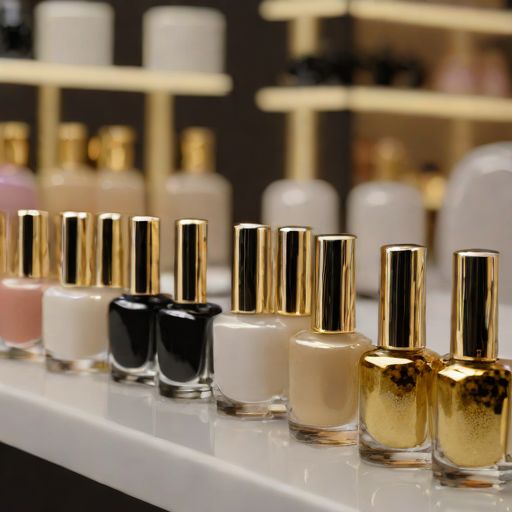
At a glance
- What it isGel polish is cured with UV or LED lamps; acrylics are built from liquid and powder
- CausesGel polish hardens under UV or LED light
- What helpsChoose hygienic salons that use new or sterilised tools
- AvoidAvoid DIY gel kits with uncured product touching the skin, cutting cuticles
- On darker skinUV lamps emit UVA, which may contribute to dark spots on the hands of darker skin
- See a doctor ifSee a doctor if you develop itching, redness or swelling around nails or on the face after a…
Key points
- Have gels soaked off, never peeled.
- Sunscreen or gloves under the lamp.
- Itch around nails after a manicure may be an allergy.
What it is
Gel polish is cured with UV or LED lamps; acrylics are built from liquid and powder. Both last longer than regular polish but can weaken nails and cause allergies.
How it works
Gel polish hardens under UV or LED light. Removal requires soaking in acetone and scraping, which thins the nail. Acrylates in gels can sensitise skin, causing allergy.
Why it matters on darker skin
Allergy to acrylates in gel and acrylic products is increasingly common and can cause rashes around nails and on the face. UV lamps emit UVA, which may contribute to dark spots on the hands of darker skin.
Causes and triggers
Frequent gels, aggressive removal, uncured product touching the skin.
What helps — and why it works
Choose hygienic salons that use new or sterilised tools. Apply broad-spectrum sunscreen to hands or wear fingerless gloves under the lamp. Take breaks between sets, have gels soaked off rather than scraped or peeled, and moisturise cuticles daily. Take regular breaks: nail plate recovers. Expected timeline: weeks. Professional removal; no peeling: peeling tears off nail layers. Expected timeline: immediate. Sunscreen or fingerless gloves under the lamp: reduces UV exposure. Expected timeline: each session.
What to avoid and why
Avoid DIY gel kits with uncured product touching the skin, cutting cuticles, and peeling off gels.
Common mistakes
- DIY kits with skin contact.
- Ignoring itchy fingertips — possible acrylate allergy.
Everyday nail habits
Healthy nails depend on protecting the nail matrix — the growing area hidden under the cuticle — and on limiting cycles of wetting and drying. Wear gloves for washing and cleaning, keep nails short and filed in one direction with a fine file, and moisturise hands, nails and cuticles after washing and at night. Leave the cuticle in place: it is a seal that keeps water and germs away from the matrix, and cutting it is a common cause of infection. Fingernails grow about three millimetres a month and toenails about one, so a new fingernail takes four to six months and a toenail up to eighteen months; any treatment needs at least that long to judge. Choose salons that sterilise metal tools between clients, or bring your own. Take breaks between gel or acrylic sets, and never peel coatings off. Because polish can hide important changes, look at bare nails regularly, particularly for a new dark band, a lifted nail or a change in shape.
Products and treatments
Many nail products make claims with little evidence. Moisturisers containing urea, lactic acid or petrolatum have the most support for dry, brittle nails and cracked skin around them. Formaldehyde-based hardeners can make nails more brittle over time and can cause allergy, so we do not recommend them. Antifungal nail lacquers such as amorolfine or ciclopirox can help mild fungal infection limited to the tip of one or two nails, but only after the diagnosis is confirmed — many thick or discoloured nails are not fungal at all. Biotin supplements are widely sold; evidence is weak and high doses can interfere with some blood tests. If you have diabetes or poor circulation, foot and toenail problems deserve early professional care.
Important
When to see a doctor
See a doctor if you develop itching, redness or swelling around nails or on the face after a manicure, or painful red skin beside a nail (paronychia).
Visit a hospital or clinic near you and ask to see a dermatologist (skin specialist), or ask your general doctor for a referral. Take this page and the products you use with you. Emergency: call 112.
Questions to ask your doctor or pharmacist
Useful questions include: What do you think is causing this? Is it likely to come back, and how can I prevent it? Which products should I stop? How long before I should expect improvement, and when should I come back if it isn't better? Are there side effects to watch for? Is this treatment safe if I am pregnant, breastfeeding or for my child? Writing your questions down, bringing your products (or photos of their labels) and taking dated photos of the problem make an appointment much more useful.
Sources
How to read this article. This article explains general principles, based on guidance from organisations such as the NHS, NICE, the American Academy of Dermatology, DermNet and the WHO. It cannot account for your own medical history, medicines or pregnancy, and it is not a diagnosis. Where we mention treatments we do not give doses: a doctor or pharmacist will advise on what suits you. Timelines are typical, not guaranteed — everyone's skin, hair and nails respond at their own pace.
Source links checked 2026-10-12. Doctor review pending. Education only, not a diagnosis. Ask a doctor or pharmacist before starting treatment.
Related articles
Nails · 4 min read
Fungal nail infection
Thick, discoloured, crumbly nails, and why treatment takes patience.
Nails · 4 min read
Dark streaks in the nail (melanonychia)
Brown or black lines in the nail are common in darker skin, but some need checking.

Nails · 4 min read
Brittle nails
Nails that split, peel or break easily, and simple ways to strengthen them.
Myth vs fact · 4 min read
Myth: "White spots on nails mean calcium deficiency"
Usually caused by minor knocks to the nail; calcium is rarely the reason.