Skin · 5 min read
How to spot fake and dangerous creams
Doctor review pending
Counterfeit and "mixed" creams are common. Here are the warning signs, and what to do if you suspect one.
At a glance
- What it isFake creams copy the packaging of known brands but contain different, often harmful, ingredients
- CausesCounterfeiters copy packaging but use cheaper or illegal ingredients to make products feel or…
- What helpsBuy from the brand's official store, a registered pharmacy or a major supermarket
- AvoidProducts with no ingredient list, handwritten or sticker labels, "whitening in 7 days" claims
- On darker skinHidden steroids and mercury cause stretch marks, thin fragile skin, acne
- See a doctor ifStop using a suspect product and see a doctor if you notice thinning skin, stretch marks
Do
- Buy from official stockists and keep receipts
- Check that a NAFDAC registration number is printed on the pack and…
Don’t
- Do not mix products yourself
Key points
- A NAFDAC number on the pack should match the official register.
- Mercury, hydroquinone and steroids hide in "toning" creams.
- Buy from official stockists and keep your receipt.
What it is
Fake creams copy the packaging of known brands but contain different, often harmful, ingredients. "Mixed" or "toning" creams are made by combining products, sometimes with steroids, hydroquinone or mercury, and sold in plain tubs or re-filled containers.
How it works
Counterfeiters copy packaging but use cheaper or illegal ingredients to make products feel or work 'fast'. Steroids reduce redness quickly, mercury and hydroquinone lighten quickly — both at a serious cost.
Why it matters on darker skin
Lightening and "glow" products are widely sold in Nigeria and are the products most often faked or adulterated. Hidden steroids and mercury cause stretch marks, thin fragile skin, acne, ochronosis (blue-black patches) and, with mercury, kidney and nerve damage.
Causes and triggers
High demand for lightening and 'glow' products, unregulated markets, social-media sellers and price pressure.
What helps — and why it works
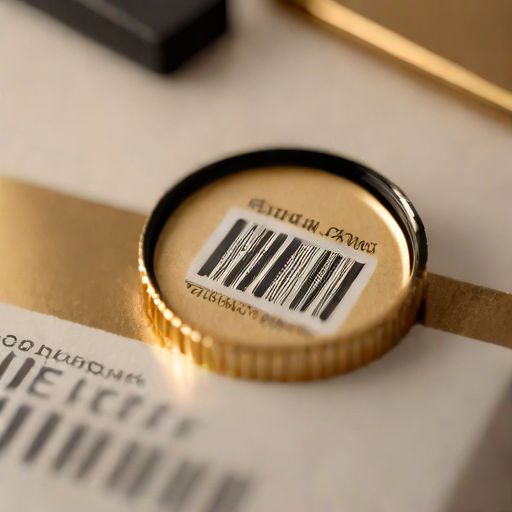
Buy from the brand's official store, a registered pharmacy or a major supermarket, and keep the receipt. Check that a NAFDAC registration number is printed on the pack and look it up on NAFDAC's official register (the Greenbook) to see that the product name and company match. Inspect the packaging: correct spelling and logo, sharp print, a printed batch number and expiry date, and an intact seal. Read the ingredients for mercury (mercurous chloride, calomel), hydroquinone and steroids such as clobetasol or betamethasone. The Melanin & Me Authenticity Check walks you through these steps. Check the NAFDAC number on the official register: a genuine product's number should match its name and company. Expected timeline: minutes. Scan the barcode and compare: mismatches are a red flag (although a barcode can be copied). Expected timeline: seconds. Buy from official stockists and keep receipts: reduces your chance of a fake and helps reporting.
What to avoid and why
Products with no ingredient list, handwritten or sticker labels, "whitening in 7 days" claims, unusually low prices, unsealed or re-filled tubs, and creams sold by the scoop. Do not mix products yourself.
Common mistakes
- Trusting a product because it is in a well-known box.
- Buying from tubs re-filled at the market.
- Assuming a NAFDAC number alone proves authenticity.
Building a routine that lasts
Most skin problems improve with a short routine used every day rather than many products used occasionally. A practical base is a gentle cleanser, a fragrance-free moisturiser and a broad-spectrum sunscreen in the morning, with one targeted treatment at night. Introduce one new product at a time and give it two weeks before adding another, so that if your skin reacts you know the cause. Patch-test on the inner arm or behind the ear for a few days first. Skin renews itself roughly every four to six weeks, so most treatments need two to three cycles — eight to twelve weeks — before you can judge them fairly. Photographs taken in the same light every four weeks are more reliable than memory. In the Nigerian climate, heat, humidity and harmattan all change what your skin needs: lighter gels in the humid season and richer creams in dry months are both reasonable. If a product stings for more than a few minutes, causes swelling, or leaves new dark patches, stop it. Buy from registered pharmacies or official stockists, and use the Authenticity Check if you are unsure whether a product is genuine.
Reading labels and choosing products
On the label, look first for the active ingredient and whether the product is fragrance-free and non-comedogenic. Ingredients are listed in order of amount, so an active at the end of a long list may be present only in a small quantity. Be wary of products that promise results in days, that list no ingredients, or whose label is a sticker or handwritten. Words such as 'natural', 'herbal', 'organic' and 'dermatologist-inspired' are marketing terms, not safety standards. Hydroquinone, mercury compounds (sometimes listed as calomel or mercurous chloride) and strong steroids such as clobetasol do not belong in an over-the-counter cosmetic. A real NAFDAC registration number should be printed on the pack and should match the product on the official Greenbook register. Price is not proof: counterfeiters copy expensive brands. When in doubt, ask a pharmacist, keep your receipt, and use Melanin & Me's Authenticity Check and barcode scanner as a first screen.
Important
When to see a doctor
Stop using a suspect product and see a doctor if you notice thinning skin, stretch marks, new acne, burning, blue-black patches, or swelling, tremor or numbness. If you have been using a steroid cream for a long time, ask a doctor before stopping, as the skin can flare. Report suspected fakes to NAFDAC through its official channels.
Visit a hospital or clinic near you and ask to see a dermatologist (skin specialist), or ask your general doctor for a referral. Take this page and the products you use with you. Emergency: call 112.
Questions to ask your doctor or pharmacist
Useful questions include: What do you think is causing this? Is it likely to come back, and how can I prevent it? Which products should I stop? How long before I should expect improvement, and when should I come back if it isn't better? Are there side effects to watch for? Is this treatment safe if I am pregnant, breastfeeding or for my child? Writing your questions down, bringing your products (or photos of their labels) and taking dated photos of the problem make an appointment much more useful.
Sources
How to read this article. This article explains general principles, based on guidance from organisations such as the NHS, NICE, the American Academy of Dermatology, DermNet and the WHO. It cannot account for your own medical history, medicines or pregnancy, and it is not a diagnosis. Where we mention treatments we do not give doses: a doctor or pharmacist will advise on what suits you. Timelines are typical, not guaranteed — everyone's skin, hair and nails respond at their own pace.
Source links checked 2026-10-12. Doctor review pending. Education only, not a diagnosis. Ask a doctor or pharmacist before starting treatment.
Related articles

Skin · 5 min read
Light patches: pityriasis alba, vitiligo and tinea versicolor
Three common causes of pale patches, how to tell them apart, and which ones need a doctor.

Skin · 5 min read
Acne
What causes spots, how to treat them gently, and how to prevent dark marks afterwards.
Skin · 5 min read
Sunscreen for dark skin
Yes, darker skin needs sunscreen. Here is why, and how to choose one without a white cast.
Skin · 5 min read
Keloids
Raised scars that grow beyond the original wound, and how to lower your risk.