Body · 4 min read
Ashy, dry body skin
Doctor review pending
Why skin looks grey and how to restore glow.
At a glance
- What it isAshy skin is dry skin that looks grey on darker tones
- CausesDehydrated outer cells scatter light
- What helpsMoisturise straight after bathing: locks water
- On darker skinMore visible on darker skin
- See a doctor ifSee a doctor for itchy rashes
Key points
- Moisturise damp skin.
What it is
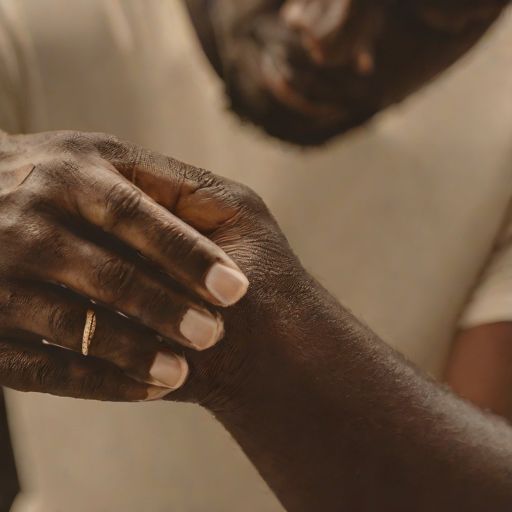
Ashy skin is dry skin that looks grey on darker tones.
How it works
Dehydrated outer cells scatter light.
Why it matters on darker skin
More visible on darker skin.
Causes and triggers
Harmattan, soap, hot water.
What helps — and why it works
Moisturise straight after bathing: locks water. Expected timeline: immediate. Use soap-free wash: preserves oils. Expected timeline: days.
More detail
'Ash' is simply visible dryness. The outermost layer of the skin is made of dead cells that should lie flat and slightly moist; when they dry out and curl up at the edges they scatter light, so dark skin looks grey or whitish, especially on the shins, knees, elbows and hands. Water alone does not fix it — water evaporates and can leave skin drier — so the key is to wash briefly in lukewarm water and then apply a moisturiser within a few minutes, while skin is still damp. Creams containing glycerin, urea, ceramides or petrolatum hold water in better than light lotions. Plain shea butter and petroleum jelly are affordable and effective on the body. If dryness is very itchy, scaly in patches, or does not respond within a few weeks, it may be eczema, a fungal rash or a sign of thyroid or kidney problems, and is worth showing a doctor.
What to avoid and why
Avoid hot water.
Common mistakes
- Skipping legs and elbows.
Body care basics in a hot climate
Heat and humidity mean the body sweats more, which feeds the bacteria and yeasts that cause odour, rashes and some types of body acne. A daily lukewarm shower with a gentle, soap-free or mild cleanser, thorough drying of skin folds and between toes, and fresh, breathable cotton clothing prevent many problems. Moisturise straight after bathing while skin is still damp so water is sealed in; this matters even in humid months because frequent washing strips natural oils, and it matters most during harmattan. Avoid sharing towels, razors and sponges, which spread fungal and bacterial infections. When shaving, use a sharp blade, shave with the grain and do not stretch the skin; for curly hair a guarded trimmer is often better. Be cautious with body-lightening, 'carrot' or 'toning' lotions: many contain undeclared steroids or mercury. If a rash spreads, keeps coming back, or appears with fever, see a doctor rather than trying more creams.
Choosing body products
For most people an unscented, gentle cleanser and a plain moisturiser are enough. Antiperspirants containing aluminium salts are the most effective way to reduce sweating and are best applied at night to dry skin. Fragranced body sprays and deodorants are a common cause of allergy; fragrance-free options are kinder to sensitive skin. Aerosol products are easy to over-apply and some have been recalled for benzene contamination, so roll-ons and creams are a sensible default. For fungal rashes, plain antifungal creams such as clotrimazole are better than combination creams containing strong steroids, which can make infections spread. Always check for a NAFDAC number and a full ingredient list.
Important
When to see a doctor
See a doctor for itchy rashes.
Visit a hospital or clinic near you and ask to see a dermatologist (skin specialist), or ask your general doctor for a referral. Take this page and the products you use with you. Emergency: call 112.
Questions to ask your doctor or pharmacist
Useful questions include: What do you think is causing this? Is it likely to come back, and how can I prevent it? Which products should I stop? How long before I should expect improvement, and when should I come back if it isn't better? Are there side effects to watch for? Is this treatment safe if I am pregnant, breastfeeding or for my child? Writing your questions down, bringing your products (or photos of their labels) and taking dated photos of the problem make an appointment much more useful.
Sources
How to read this article. This article explains general principles, based on guidance from organisations such as the NHS, NICE, the American Academy of Dermatology, DermNet and the WHO. It cannot account for your own medical history, medicines or pregnancy, and it is not a diagnosis. Where we mention treatments we do not give doses: a doctor or pharmacist will advise on what suits you. Timelines are typical, not guaranteed — everyone's skin, hair and nails respond at their own pace.
Source links checked 2026-10-12. Doctor review pending. Education only, not a diagnosis. Ask a doctor or pharmacist before starting treatment.
Related articles

Body · 4 min read
Dark knees, elbows and underarms
Why skin in folds and pressure points darkens, and when it is a sign to check your health.

Body · 4 min read
Body odour
What causes it, an effective daily ritual, and when a change in smell matters.

Body · 4 min read
Excessive sweating (hyperhidrosis)
When sweating is more than the heat explains, and the treatments that help.